Finding the live racing season and the right first post
Presque Isle Downs stages seasonal Thoroughbred racing near Erie, Pennsylvania. To plan a visit, use its live racing calendar, check the selected day's first post and read the latest cancellation notice. The casino and the simulcast room have different schedules from horses racing on the local track. This guide explains those distinctions and the racing itself, using official information checked on October 21, 2026.
What the 2026 calendar confirms
The official 2026 calendar page lists a live season from May 18 through October 22 with a usual first post of 3:30 p.m. Eastern. At the date of this check, that season was approaching its close. These are dated 2026 details, not an announcement of next year's programme; consult the newly published calendar before arranging a future-season trip.
The detailed meeting page shows why the headline time needs qualification. Most of the early-season pattern was Monday through Wednesday, with selected special dates. The later September 28–October 22 block was advertised Monday through Thursday. Special first posts included 12:30 p.m. on designated dates and 5 p.m. on September 18. A general weekday rule cannot replace the calendar entry for the day you select.
The racing homepage also carried a specific notice that there would be no live racing on Thursday, October 15, 2026. That exception matters because the date otherwise falls inside the advertised late-season Thursday pattern. Read the current notice alongside the season calendar, then check the actual card. If one appears to conflict with another, seek clarification from the track before traveling.
Why a casino or simulcast opening is not a local race meeting
A simulcast is coverage of races taking place elsewhere. Presque Isle's racing page advertises that activity year-round, independently of the local live season. A winter simulcast listing can therefore be perfectly current while offering no opportunity to watch horses coming past the Erie grandstand. Check the track named beside each race time, particularly when several courses appear in the same programme.
First post means the scheduled start of the first race on a card. Later races have their own times, and the afternoon's duration depends on the actual programme and any delays. Arrive before first post if you want to see the opening runners and find a viewing position. Avoid booking a tight onward connection on the assumption that every card finishes at an identical time.
For other tracks running on the same date, our today's racing schedule provides a broader starting point. For a Presque Isle visit, the track's latest local announcement and published card remain the best way to confirm the meeting you intend to attend.
Understanding Presque Isle's Tapeta racing
Presque Isle's defining racing feature is Tapeta, a synthetic surface. It is not a grass turf course, even if a horse's previous turf form becomes part of the discussion. Tapeta uses a mixture including sand, wax and fibers. The Pennsylvania Horse Racing Association's track history identifies Presque Isle with this surface from its opening era in 2007.
The “all-weather” description concerns the racing surface and its design; it is not a guarantee that every meeting proceeds. Operational or weather-related decisions can still interrupt a programme. For a visitor, the cancellation notice remains relevant regardless of the surface. For someone studying the horses, the surface is one component of the race conditions rather than a substitute for reading them.
Surface form and the shape of a race
Start by separating a horse's synthetic, dirt and turf performances. A strong finish on dirt does not establish that it will reproduce the same effort on Tapeta, while a horse with an unremarkable overall record may have more relevant form on a comparable surface. Look for evidence in the past performances instead of assuming that every turf runner improves or every dirt runner struggles.
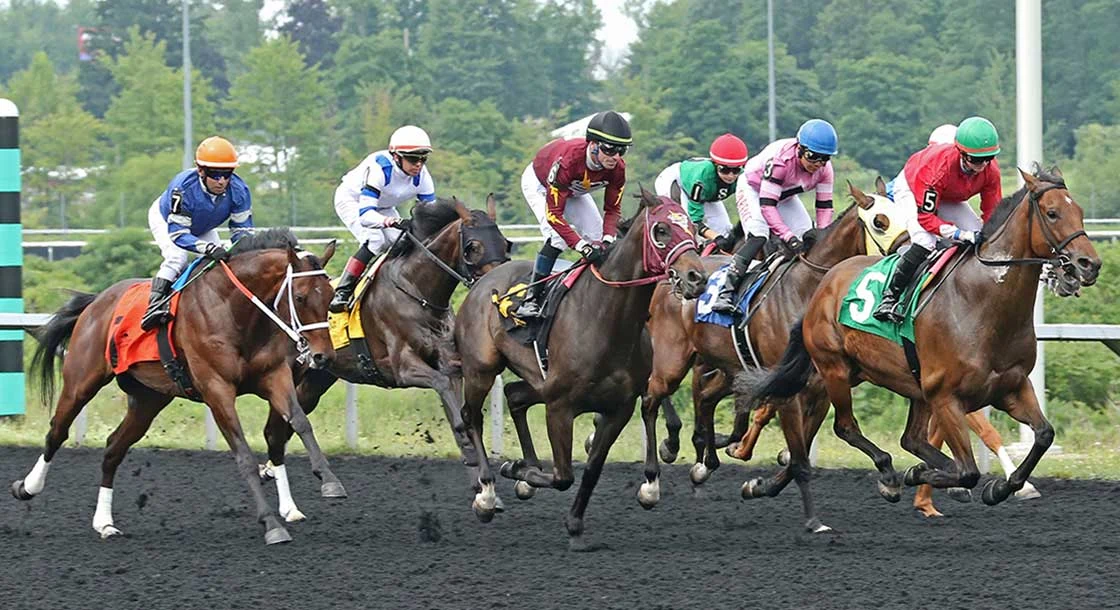
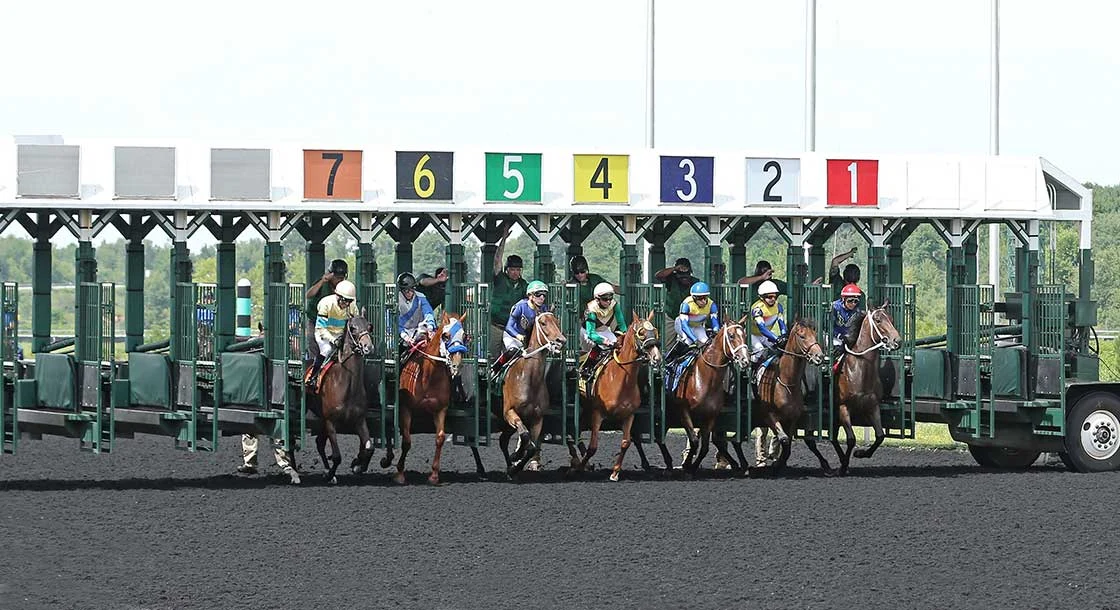
Next compare distance and class. A runner stretching from a sprint to a route faces a different tactical problem, even on the same course. A horse that led comfortably against one field may encounter more early competition in the next. When watching, identify how the field sorts itself out after the gates open, which horses travel close to the lead and which need room to advance later.
Those observations are a framework for following the contest, not a claim about a permanent track bias. One afternoon's front-running winner does not prove the surface always favors speed. Check the pace, opposition and journey before assigning the result to the track itself. A useful note describes what happened to an individual horse rather than declaring a universal winning formula.
The Masters and the wider stakes programme
The Presque Isle Downs Masters is a recognizable feature for followers beyond the local circuit. The Pennsylvania association's 2026 event listing identifies it as a Grade II race for females aged three and older, over six and a half furlongs, with a $300,000 purse. Those conditions describe a particular sprinting test; a Grade II label alone does not explain the distance, age or sex restrictions.
Feature meetings bring additional names and races into view, but the ordinary cards provide their own sporting interest. Follow a returning local runner, compare a new arrival's previous surface or watch how a jockey handles a horse stepping up in distance. Use the current stakes schedule for a special occasion and the daily racecard for the programme actually taking place. Keep a past Masters replay as a historical race rather than treating its runners or purse as next year's announced field.
Reading the card before choosing a race to follow
The daily card turns a visit into a sporting event you can follow. Begin with the race conditions, then the runners. Presque Isle's Race Information page links to Equibase entries, scratches and changes, charts and summary results. Those are separate resources because the early list, the final participants and the eventual result answer different questions.
Do not confuse the condition book with a starting field. The condition book sets out races and eligibility conditions for horsemen over a period of the meeting. A published daily card identifies the horses entered for a specific date. Later changes can still remove a runner or alter a jockey assignment. Check the date and track heading first, and refresh the changes before selecting the horses you plan to watch.
Read four things above the runner table: distance, surface, race type and eligibility. A six-furlong claiming race and a one-mile allowance are different tests, even if familiar names appear in both. The purse is the race's prize money; a claiming price relates to the conditions under which a horse is offered for claim. One number does not substitute for the other, and a larger purse alone does not explain the entire field's ability.
Next identify each runner by program number, post position, horse name, jockey and trainer. The program number helps you follow the saddlecloth; the post indicates the starting stall. They can diverge after changes or in particular entry arrangements, so read both columns. Note a jockey change on the current card instead of expecting the colors and rider combination shown in an older photograph.
For a first race, choose a manageable observation question. Which runner has recent local synthetic form? Which is changing distance? Which horses appear likely to seek an early position? Our Equibase entries guide explains the American card format in greater detail. You do not need to resolve every abbreviation before watching, but you should know what the race asks of the horses.
Keep the morning line separate from live pari-mutuel odds. The morning line is a forecast of how the market may assess the field; the current pool produces a changing price. Neither is a finishing order. A short-priced runner may still face an awkward trip, while a long-priced runner's appearance on a card does not make it an overlooked certainty.
Before the gates open, write one short expectation and one uncertainty for the horse you are following. For example, you might expect it to travel near the pace but be unsure about the longer trip. Afterward, compare that question with the replay and chart. This creates a reason to watch the whole race instead of judging every runner only by where it finished.
Visiting the track in Erie
Arrival and access
Navigate to Presque Isle Downs & Casino at 8199 Perry Highway, Erie, PA 16509. The property's official directions place it just south of Interstate 90 Exit 27. Enter the full venue name or street address: the Presque Isle name is also associated with Erie's peninsula and park, which is a different destination. Build in time to park, find the racing entrance and obtain the day's programme before first post.
Read the current access policy before bringing a younger companion. The official visitor page states that guests must be 21 or older to enter Presque Isle Downs & Casino. The site's separate explanation of horse-wagering age does not itself grant access to every part of the property. Anyone planning a racing-only visit with a person under 21 should obtain specific access instructions directly from the venue before traveling.
If mobility affects your plans, ask about the route from parking to the racing area, accessible viewing and seating. The official FAQ describes complimentary wheelchairs on a first-come basis; availability on a particular afternoon still needs checking. Give staff the details of the assistance you need rather than assuming a general accessibility symbol settles the whole journey.
Choosing where to watch
Choose a position that lets you identify the horses and see the finish, then use the broadcast screens for parts of the course that are harder to follow. A close trackside view gives the action scale and sound, while a wider view helps you see runners changing position. On a first visit, watch one race from a consistent spot before deciding whether another available public area suits you better.
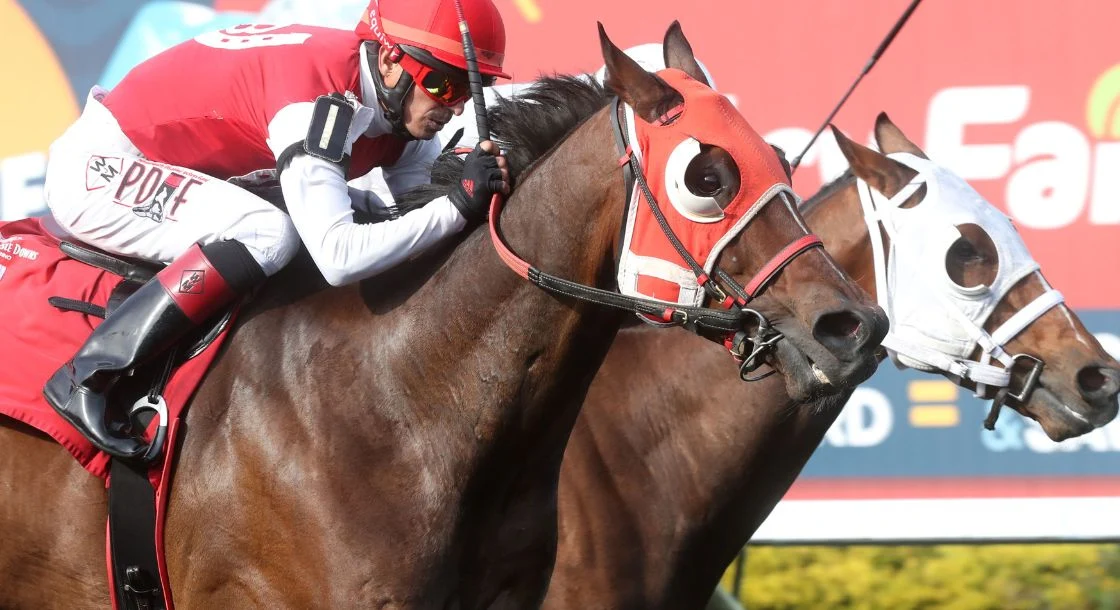
Stay within designated public areas and follow staff instructions around horse movement. A racing photograph is not evidence that a stable lane, working gate or paddock passage is open to spectators. Where a public pre-race view is available, give the horses room and avoid trying to stop staff or riders as they prepare for the race.
Food, seating and an unhurried first visit
The property's dining choices include Churchill's Bourbon and Brew, LBV Steakhouse and The INCafé. Check the current opening times and whether a table requires booking. A restaurant being on the property does not mean every menu or dining area operates throughout every race card. If a meal is part of the outing, plan it around the races you most want to watch.
Bring the practical items permitted by the venue, allow for Erie's weather and confirm any reserved seating arrangement before arrival. A relaxed first afternoon might focus on three races rather than every betting opportunity or attraction. Use the gaps to read the next card, find water or food and compare observations with your companions. That leaves time to enjoy the horses without turning the visit into a rushed sequence of errands.
Watching remotely and learning from the official result
The track's official racing page directs viewers to its race replay resource and TwinSpires event replays. Follow that route for the meeting you want, then select the correct date and race number. An archive link is useful after a visit and outside the live season; it does not mean local horses are racing today.
Live streaming, a trackside simulcast screen and a stored replay are different ways to see racing. Availability through a wagering platform can depend on account and location conditions. Check the provider's current viewing terms instead of assuming that a freely accessible promotional page grants unrestricted video access. An old replay tutorial should not override current platform instructions.
For the result, begin with the official chart or summary reached from Presque Isle's Race Information page. Our results page provides another route into supported recent meetings. Match the horse names and race number before drawing conclusions from a video, since two races on the same card can have similar distances and conditions.
A simple replay review that respects the race conditions
Read the race heading again before watching. Note the distance, surface, class and eligibility, then the actual starters after scratches. This stops a horse's previous finish from becoming an unfair comparison: a placing in weaker company over a shorter trip is not automatically evidence of improvement or decline in a different assignment. Start with the question the race was designed to answer.
Watch the break and the early positions first. Did your runner leave cleanly? Did it settle near the rail, outside another horse or behind the leaders? Then follow the point where the field begins to change shape. Describe visible events, such as a runner having to wait for room or traveling wide, without assuming you know a jockey's intentions. A broadcast angle may hide something another camera reveals.
The chart adds information that a quick replay can obscure. It records official placings and margins, and separates race time from the clock time at which the race started. For example, the September 18, 2026 summary lists the first race going off at 5:02, alongside its own winning time. Those figures describe different measurements; neither should be confused with the scheduled 5 p.m. first post.
Keep your interpretation separate from the official outcome. You may think a beaten runner encountered trouble, but that observation does not by itself reverse the result or establish a rules violation. Consult any inquiry notation or official report before describing an amended placing. A useful race note can acknowledge an awkward journey while preserving the result exactly as published.
If studying payouts, read the wager and base stake printed beside each dividend. A $2 exacta payoff and a minimum-unit superfecta return cannot be compared as raw numbers. Our results and payouts explainer works through that distinction. For a first visit, a simpler record is enough: the race conditions, the horse's journey and one question to check when it next appears. That creates continuity between race days without pretending a single replay predicts the next result.
Join the conversation
Have a question or a race-day tip to share? Keep it friendly and on topic. Comments appear after review.
No comments yet. Start the conversation.
Sign in with Google to leave a comment.