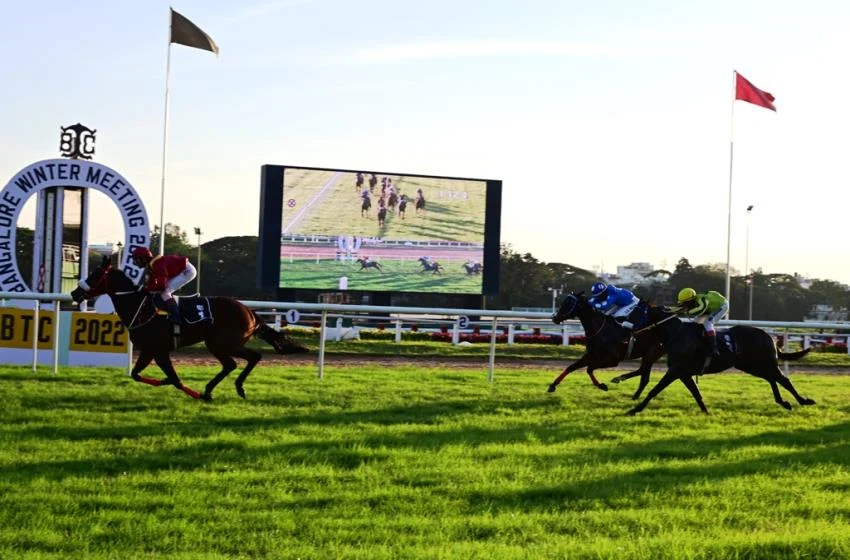
How horse racing in India is organized
Horse racing in India is easiest to follow through its regional turf clubs. Start with the club responsible for the meeting, check its current fixture and declared runners, then find the viewing information for that particular date. A national search result can introduce the sport, but it cannot establish whether racing is taking place at a particular course today. This guide explains that route for international followers and first-time visitors, with official websites checked on October 21, 2026.
The main organized circuit discussed here is Thoroughbred flat racing: jockeys ride horses over a specified distance, without the fences associated with jump racing or the sulkies used in harness racing. Names such as the Indian Derby belong to this competitive system. A club's racing pages bring together the evidence needed to follow it: the proposed programme, race conditions, runners, jockeys, weights and eventual results.
The Asian Racing Federation's Indian member profile identifies the Turf Authorities of India and its constituent clubs. Those clubs have distinct geographical responsibilities. That helps explain why a Mumbai programme, a Bengaluru notice and a Kolkata result can look different while belonging to the same wider racing community. For the reader, the practical question is which authority issued the document being used.
Breeding registration performs a separate role. The Stud Book Authority of India maintains identification and registration information for Thoroughbred breeding stock and their progeny, including the approval of racing names. Its pedigree and breeding publications are useful when tracing a horse's background. They are not a replacement for the latest declared racecard or a same-day withdrawal notice.
Keep three questions separate when exploring an unfamiliar runner. The studbook helps answer who the horse is and how it is bred. The racecard shows which race it has been declared for and the conditions it must meet. The official result records what happened after the race and any decision affecting the placings. Moving between those sources is more informative than relying on a single horse-name search, especially when similar names, an old meeting or an undated video appear together.
The main racing centers and their seasonal rhythm
Indian racing is a circuit of regional meetings rather than one continuous national league. Seasonal labels help you recognize the pattern, but the exact days belong to each year's published programme. A course can have a long season with only selected race days inside it. Searching the city name and the club together is usually more effective than searching only for “India horse racing today.”
Mumbai and Pune on the western circuit
The Royal Western India Turf Club is the starting point for Mumbai and Pune. Mumbai's Mahalaxmi Racecourse is associated with the winter racing programme and the Indian Derby. Pune carries a separate meeting later in the year. Treat the two venues as related parts of the western circuit, while checking the venue printed on the selected day's card before making travel plans.
A useful dated example is the announced Pune programme reported in July 2026, which ran from July 17 to November 15. That example shows why a general description ending the season in October can mislead. It is an announced seasonal window, not evidence that every date within it has a race meeting.
Bengaluru, Hyderabad and the other regional centers
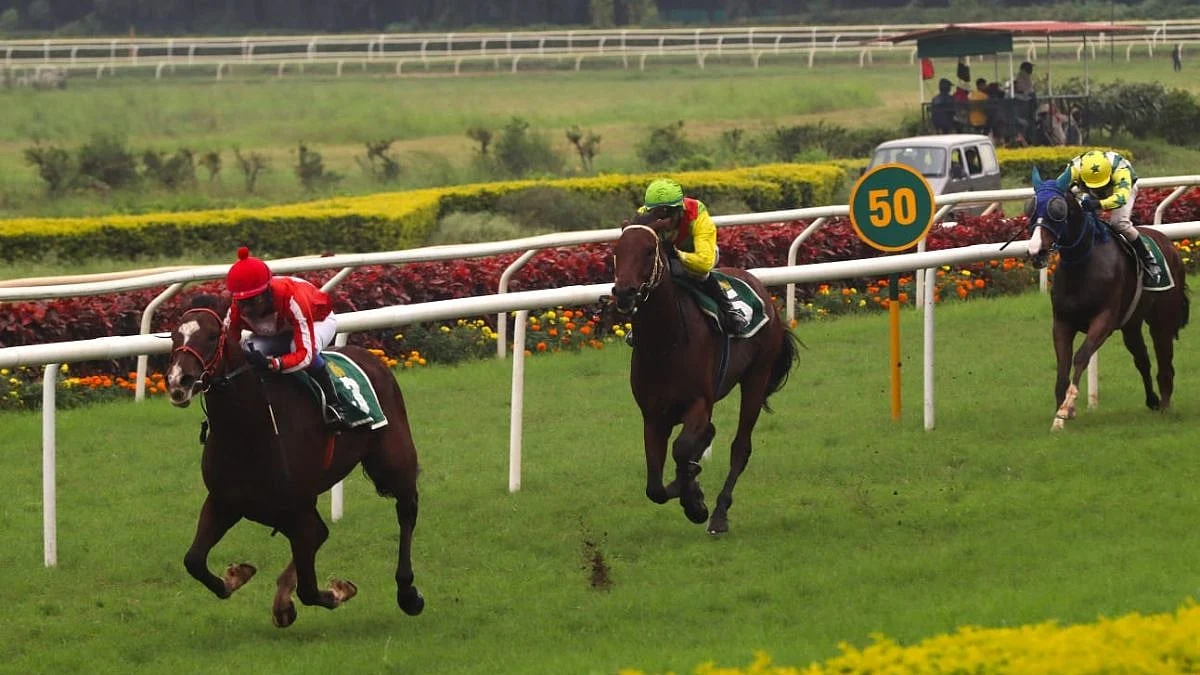
Bengaluru's racing authority retains the Bangalore Turf Club name. Its official site publishes separate meeting fixtures, including summer and winter programmes. The distinction matters when a search engine returns a summer fixture while the club has already moved on to a winter schedule. Open the club's fixtures page and read the heading and year before interpreting a listed race day.
Hyderabad Race Club is the local authority for racing at Malakpet. Kolkata followers should use Royal Calcutta Turf Club, while Mysuru has Mysore Race Club. Delhi and the Madras Race Club circuit also appear in Indian racing directories. Those names are useful navigation points, but an old directory cannot confirm current racing at every venue historically associated with a club, particularly when operation or location has changed.
Mysore's own published summer fixture list is another warning against oversimplification: its 2026 programme includes dates from late May into early August. Describing Mysuru only as an autumn destination would miss that meeting. For any center, choose the local authority first, then the correct season, then the individual race day. If only last season's documents appear, look for a newer notice instead of rolling their dates forward yourself.
Indian Classics and the races worth recognizing
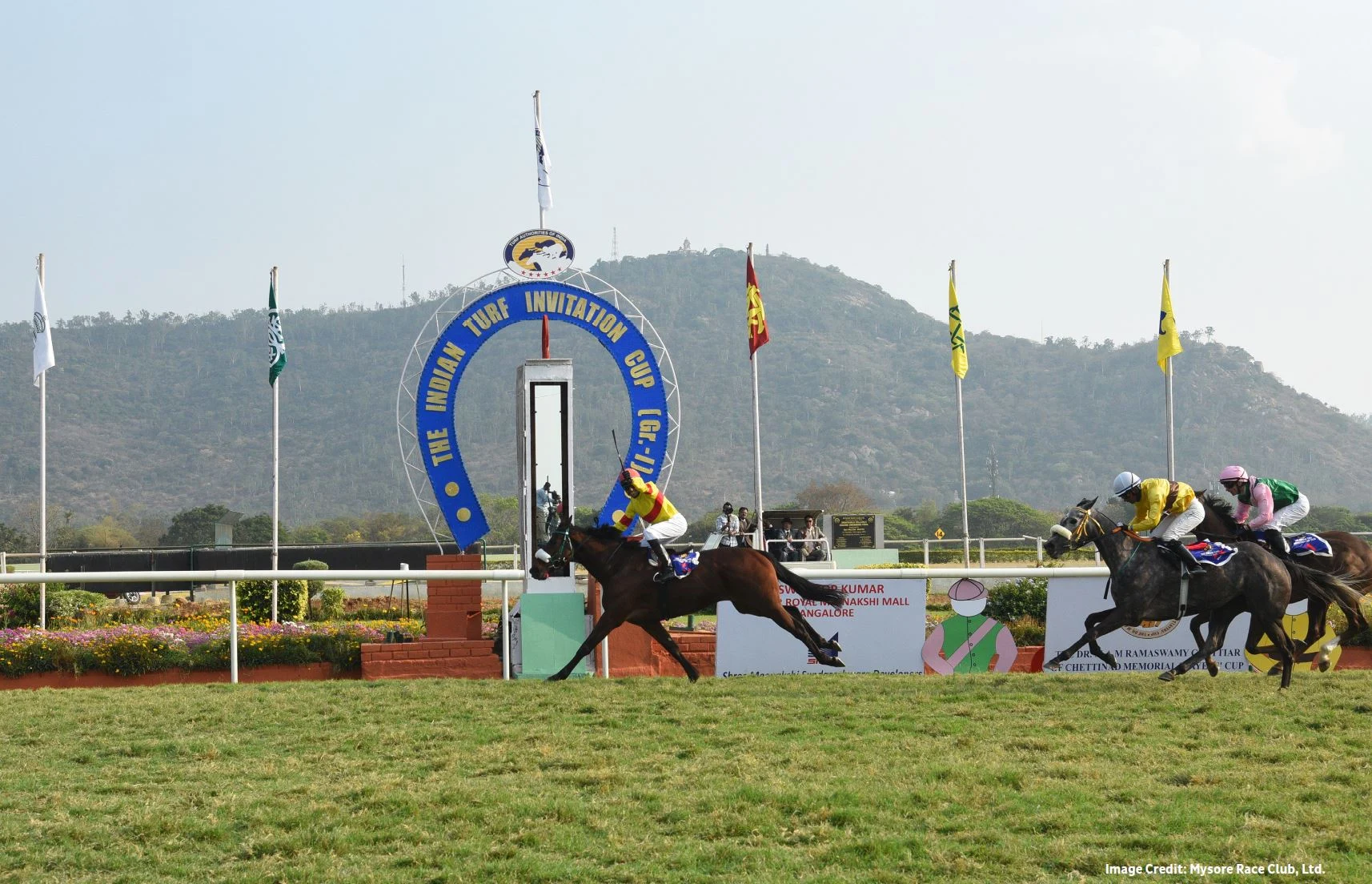
The five recurring Indian Classic names are the Indian 1,000 Guineas, Indian 2,000 Guineas, Indian Oaks, Indian Derby and Indian St. Leger. The Indian Stud Book's Classic archive groups winners by racing season and offers linked results and videos. It gives a newcomer a more coherent introduction than a list of famous horses detached from the races that made their reputations.
Use that archive as a route into the sport. Select one season, choose a winner and follow the available race records. Look at the distances and opposition rather than assuming every Classic presents the same test. A performance over a shorter trip asks a different question from a staying race, even when a horse appears in both. Watching those changes gives meaning to pedigree descriptions such as speed and stamina.
Why the Indian Derby is different from a local Derby
The Indian Derby is the Mahalaxmi, Mumbai event, traditionally associated with the first Sunday in February and a distance of about 2,400 meters. A Bangalore Derby, Pune Derby or South India Derby is a separate contest with its own conditions and history. The shared word “Derby” identifies a prominent race, not an interchangeable national final staged repeatedly in different cities.
Age conditions deserve particular attention. The official card for the Bangalore Summer Derby on July 12, 2026, specifies three-year-old Indian horses foaled in 2023. That is a useful reminder to read the conditions printed for the race in front of you. Do not import the Kentucky Derby's age rule, or a winter meeting's conditions, into every Indian race carrying the Derby name.
For a first viewing project, follow the build-up to one feature rather than trying to master the entire country at once. Record the horse's previous trip, the company it met and whether its next assignment changes distance. Then compare its actual race position and finish with the expectation formed beforehand. A prominent race offers a clear destination for that exercise, but the supporting races often reveal how the contenders developed.
Sponsor names and prize funds can change between editions. Identify an event by its underlying race name, venue and season before searching for a replay. The historical archive is particularly useful here: it lets you distinguish a change of sponsor from a different race altogether. For a future visit, confirm the newly published date and conditions rather than converting a traditional calendar pattern into a guaranteed booking.
How to find today's card and understand the runners
For today's racing, start by selecting the city and date on the responsible club's website. Indiarace can help you navigate between centers, but use the official race-day publications to settle questions about runners or changes. A current card should identify the venue, date, race number, distance and race conditions before you reach the individual horses. Check those details first; a familiar horse name cannot rescue a card from the wrong meeting.
Fixtures, entries and acceptances are different stages
A fixture identifies a proposed race day. Entries show horses put forward for races. Acceptances and declarations narrow that information toward the field intended to compete. The exact publication sequence belongs to the club's rules, but the reader's principle is consistent: an early nomination list is not a final starting field. Look for the most recent declared card and any subsequent withdrawal or jockey-change announcement.
Keep the document's date visible when saving it to your phone. Before the first race, check again for changes instead of assuming a downloaded copy updates itself. If a horse disappears between an entry list and the race itself, compare the later publications before looking for an explanation in a preview or social-media comment.
Ratings, carried weight and the draw
The rating is an assessment used in the racing and handicapping system; carried weight is the burden assigned for the contest. Horse body weight, where displayed, is a separate measurement. Bangalore's official result tables distinguish those columns, as well as the card number, draw, jockey and finishing position. Read the headings carefully rather than treating every number next to the horse as a prediction.
The draw identifies a starting-stall position and need not equal the saddlecloth or card number. A handicap seeks to bring runners closer together through assigned weights; it does not make their prospects identical in practice. Distance, field composition and the race the horse actually runs still matter. If you know American cards, our Equibase entries explainer offers a useful comparison, but Indian publications use their own labels and conventions.
Reading the result after the race
After the finish, compare the official placings with the replay and look for any inquiry or stewards' report. The margin, race time and result tell you different things. A horse beaten narrowly after racing prominently and a horse closing late from well back can occupy neighboring places while having very different journeys. Write down the trip you observed, then test that impression against the published report.
Dividends require another check: identify the pool and the stated stake unit before interpreting a payout. A winner's odds do not tell you the return for every combination bet. Our results and payouts guide explains the distinction using American examples; for an Indian pool, the local club's published terms and dividend are the relevant figures.
Watching Indian racing live and on replay
Begin at the race club's official website and follow its own streaming or video link. That establishes the origin of the coverage and gives you a place to check the meeting date. RWITC's website advertises live-stream and video-archive navigation, Bangalore Turf Club has a racing-video section, and Royal Calcutta Turf Club provides streaming and archive links. Those routes are more dependable than choosing a video solely because “live today” appears in its title.
Read the delivery description carefully. At the time checked, Royal Calcutta Turf Club advertised deferred racing coverage on YouTube. Deferred coverage means the pictures reach you after the racing action. A replay is an archived recording that you select afterward. Neither should be presented as a simultaneous live feed simply because the video player is running now.
For a scheduled stream, match three details before settling in: the racecourse, the full calendar date and the first-race time. A channel can carry different meetings on different days, and a stored recording may have been uploaded after the date of the race. If the player opens to an old race or a holding screen, return to the club notice and verify the intended programme rather than assuming the listed first post has changed.
Indian race times are normally presented in India Standard Time, UTC plus five hours and thirty minutes. India does not make a seasonal daylight-saving change. Your own country may do so, meaning a conversion remembered from another month can be wrong. Enter the actual meeting date into your calendar and convert that date's first post. Do not use the start of a video upload as a substitute for the race timetable.
Replay study is especially useful for a new follower because it allows the card and result to stay beside the pictures. First watch without reading the finishing order, noting which runners lead, travel behind the pace or lose ground. Then consult the result and replay the closing stages. This makes an unfamiliar set of horse names easier to remember and lets you judge what the published margin describes.
Access conditions can change by club, platform and meeting. Follow current instructions for registration or viewing availability instead of relying on an old app tutorial, and keep viewing access separate from permission to place a wager. Finding a race video does not establish that any linked betting service is available to you. You can follow the horses, jockeys and results without making a betting transaction.
Planning a first visit without relying on an old calendar
Before booking transport, establish that horses are racing at the course you intend to visit. An active turf club website can advertise intervenue betting on a meeting staged somewhere else. Bangalore Turf Club's notices provide a concrete example: a Bengaluru club announcement can refer to racing in Pune or Mysuru. That may be useful for someone following the broadcast, but it does not promise a local paddock or a field coming past the grandstand.
Check the published venue, race date and first post, then read the latest notices for changes. Ask the club directly about visitor admission, the available enclosure, gate arrangements and access requirements. The answer for a members' area need not apply to general admission. Likewise, a ticket arrangement described in an old visitor account need not remain available for the meeting you have chosen.
A race-day checklist for the first-time visitor
A practical first visit starts before the scheduled opening race. Allow time to find the correct entrance, obtain the card and orient yourself between the viewing area and any publicly accessible paddock. Check the weather and permitted items in advance. If you need step-free access, seating or a particular viewing position, confirm those details directly rather than inferring them from a photograph of the venue.
- Save the official date, venue and current card, and check for a later cancellation notice.
- Confirm the enclosure, ticket method and any specific dress or identification requirements.
- Choose two runners in an early race and learn their saddlecloth numbers and jockey colors.
- Watch their movement before the race where public access allows, then follow them during the contest.
- Read the official result afterward and compare it with the journey you observed.
That simple exercise gives the afternoon a sporting thread. You can notice whether a horse settles behind another runner, takes the lead early or changes position in the straight. Keep your observations modest: one view from the rail cannot explain every tactical decision, and appearance alone does not establish fitness or likely performance. The purpose is to connect the card with the action.
Choose the atmosphere you actually want. A major feature day offers recognizable races and a larger sense of occasion; another confirmed meeting may give you more room to learn the routine. Either can be worthwhile without placing a bet. The strongest first trip is one built around an actual local meeting, a readable card and enough time to watch the horses between races.
Join the conversation
Have a question or a race-day tip to share? Keep it friendly and on topic. Comments appear after review.
No comments yet. Start the conversation.
Sign in with Google to leave a comment.