Plan a fall racing and NFL weekend by choosing individual races first, checking their broadcast coverage, then adding the football game you want to follow. First post, a featured race and the start of a television programme are three different appointments. Keeping them separate makes the whole weekend easier to organise.
This US viewing guide uses the published 2026 Breeders’ Cup programme at Keeneland as a worked example, with information checked October 23, 2026. The same approach helps with other autumn meetings: identify the right card, review the field, and leave room to enjoy the buildup and result.
Start with the race, not just the race-day headline
Choose the racing you want to see before placing football beside it. A track is a venue, a meet is a period of racing, and a card is the collection of races on a particular day. Your favourite horse competes in one race within that card. Those layers matter because “watch Keeneland this weekend” leaves both the date and the important moment unresolved.
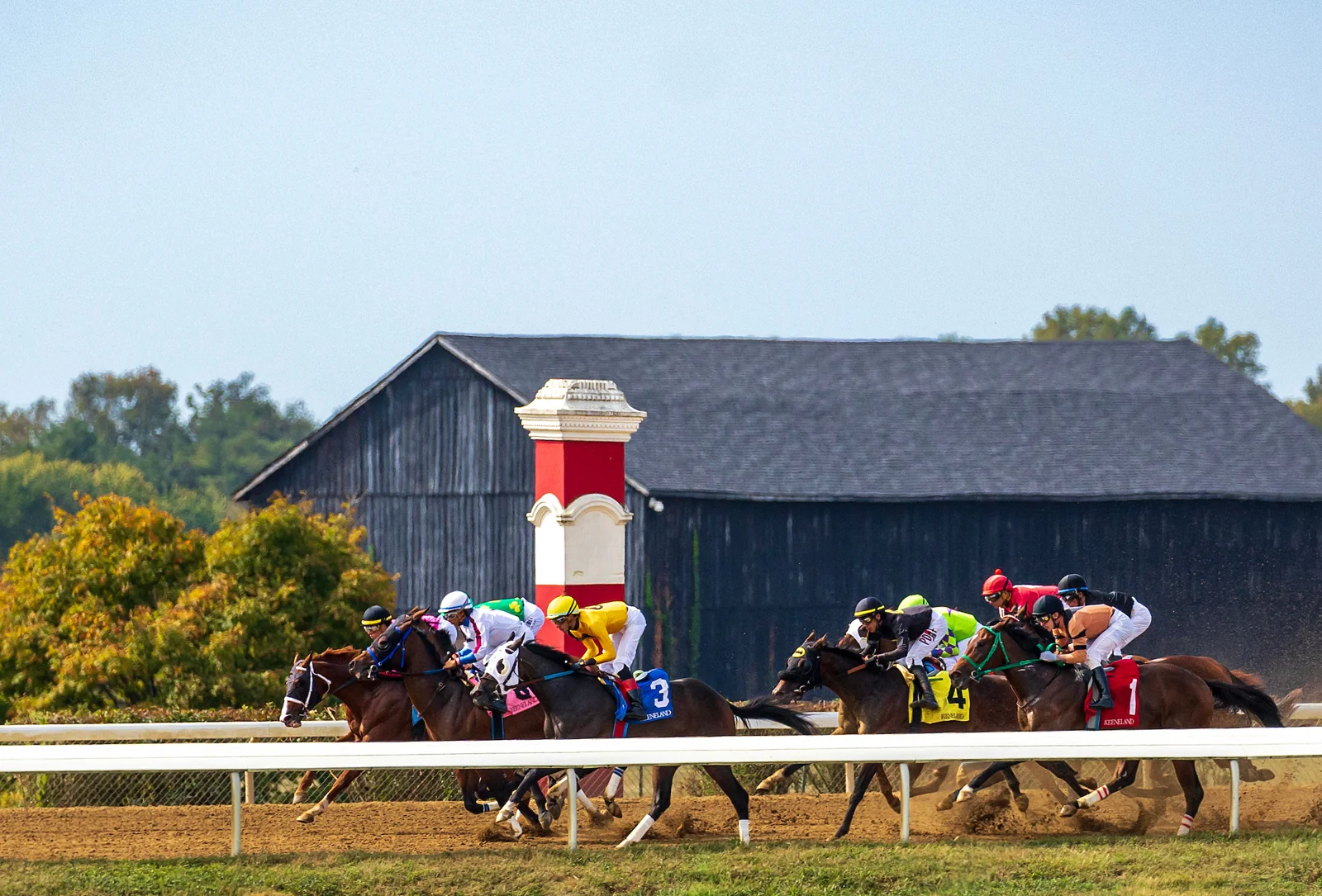
The 2026 autumn calendar provides a useful example. Keeneland's regular Fall Meet runs October 2–24, with no racing on Mondays or Tuesdays. The same venue hosts the Breeders' Cup on October 30–31. A routine meet listing, an earlier qualifying-race preview and the championship programme therefore describe different occasions, even when their photographs and track name look similar.
Use the final championship race order announced October 21 to see the distinction between first post and a featured race. Friday, October 30 begins at 11:55 a.m. Eastern, while its first championship contest, the Juvenile Turf Sprint, is Race 6 at 2:55 p.m. Saturday begins at 11:15 a.m.; the Classic is Race 12 at 6:16 p.m. These are the published 2026 appointments, not a recurring timetable for every year.
If the Classic is your priority, saving Saturday's first-post time alone will not remind you when to return for it. Conversely, someone who wants the complete card would miss several races by treating the first championship contest as the start of the day. Write down the track, date, race number and race name together. Add the stated time zone, then check the current card again before watching.
Our weekend racing schedule helps you discover the available meetings, while the major races guide helps identify the events around which to build a plan. Move from that broad choice to the specific day's card. Do not assume that every track has a meeting simply because another venue is holding a major Saturday programme.
Only then compare the racing with your football plans. The 2026 Breeders' Cup occupies Friday and Saturday, so it should not be presented as an automatic clash with Sunday afternoon football. You may instead have a full racing day followed by a separate NFL day, or another Sunday meeting you want to follow. A precise date often resolves a supposed conflict before you need a second screen or a complicated recording plan.
Read the final field before choosing your must-watch races
A compelling race is more than a convenient gap between football games. You might want to follow a horse returning to its preferred surface, a promising youngster facing stronger opposition, or a familiar rival trying a different distance. Start with that sporting question, then make sure the race you have selected still contains the horses and conditions that prompted it.
Pre-entries are especially easy to overread around a championship meeting. The 2026 Breeders' Cup deadlines separate the October 19 pre-entry stage from the October 26 entry deadline. As of this guide's October 23 check, the latter stage had not occurred. A horse mentioned in a pre-entry story should therefore remain a candidate in your viewing notes, rather than being presented as a guaranteed runner in a final field.
Once entries are published, read the conditions above the list of horses. The surface, distance and eligibility restrictions tell you what kind of contest you are about to see. Then identify the horse by name alongside its programme number, jockey and trainer. Our guide to reading Equibase entries walks through those fields. It is more useful than relying on a remembered saddlecloth colour from a different meeting.
Check the updates as well as the original card. Equibase's race-day changes include scratches, jockey changes and changes to course, distance or track conditions. If the horse you planned around is withdrawn, remove that particular reason from your itinerary. You may still want to watch the race, but the decision should reflect the field that will actually compete.
Changes also affect the questions you ask while watching. In a hypothetical race with two likely early leaders, the withdrawal of one would make it sensible to reconsider how much pressure the other might face. It would not establish that the remaining horse must lead throughout or win. Likewise, a race moved away from its advertised surface deserves a fresh look at the conditions rather than the same preview repeated unchanged.
Choose a manageable shortlist: perhaps one juvenile race, one turf contest and the main event that interests you most. Write one sentence beside each explaining why it matters to you. That gives you a reason to return before the start, listen to the paddock discussion and follow the running. It also makes a football conflict easier to resolve: you are choosing between specific sporting experiences, rather than trying to keep every race and every game on screen simply because they are available.
Match the race to the television window
A television guide answers when a programme is on. The racecard answers when a particular contest is scheduled. You need both. A long broadcast may include discussion, paddock coverage and several races; a listing carrying the name of the meeting's biggest race may start well before that race reaches the gate. Treating the programme title as a precise post time can send you to the screen hours too early or leave you following the wrong segment.
For the 2026 Breeders' Cup, the official US broadcast schedule lists USA Network from 1–6 p.m. Eastern on Friday, October 30. Saturday coverage starts on USA Network at 1 p.m., then moves to NBC at 3:30 p.m. through 6:30 p.m., with Peacock coverage available across the championship windows. Those are viewing blocks, separate from the individual post times.
If you watch through traditional television, put the Saturday channel change in your notes. If you stream, confirm the exact event tile and account access on the device you intend to use. A reminder saying only “Breeders' Cup, 1 p.m.” leaves the later handoff unresolved. Someone joining for the closing races needs a different instruction from someone following the afternoon from its opening coverage.
The early undercard creates another distinction. The first-post times discussed above precede the 1 p.m. network programme. The organiser's viewing guide identifies FanDuel TV and its official digital coverage options, including the Players' Show. Consult that guide if you want the full card, rather than assuming the main network window contains every race that day.
For other autumn meetings, use our horse racing TV schedule as a starting point, then confirm the dated programme with the track or broadcaster. Pay attention to whether a show follows one venue or moves among several. Being included in a racing programme does not necessarily mean that every paddock sequence, interview or supporting race will receive the same attention.
Keep the market in view as well. These Breeders' Cup examples describe the announced US arrangements; viewers elsewhere should use the organiser's international information and their local provider. Before inviting friends over, check that the channel is in your package or that the selected stream is available to your account. A few minutes of preparation protects the race you actually want to see and prevents a last-minute search for a different feed while the horses are loading.
Add the NFL game you actually want to watch
After choosing the racing, identify one football matchup instead of placing a vague “NFL afternoon” beside the card. Write down its date, scheduled kickoff and viewing service. If you follow a team closely, that game may deserve the main screen. If your interest is casual, you may prefer racing live and football updates between races. Making that choice in advance is more useful than repeatedly switching without following either contest.
The NFL Schedule TV guide is a convenient related tool for this step. Its page lets you explore matchups, channel listings and time-zone displays, while retaining assignments that are still marked TBD. NFL-Schedule.com is part of the same project as HorseRacingSchedule.com, so this recommendation reflects a related service we provide, not an independent comparison of competing products.
Use the page to locate your game, then confirm local access with the broadcaster or provider. A channel name does not by itself establish that your market receives every game carried by that network. The NFL's viewing guide provides the league's own starting point. Keep that access check separate from your racing subscription: sharing a device or a broadcaster's brand does not automatically put every event in the same package.
Compare like with like on your written plan. A race's post time is its scheduled start, while your desired viewing period may begin earlier with the paddock and continue afterward through the result. Football also asks for more than the moment of kickoff if you want to follow the game. Place those personal viewing blocks beside each other, rather than comparing two isolated timestamps and declaring that everything fits.
For example, suppose a Sunday race you care about falls during your team's game. You could reserve the racing feed for the buildup and race, then return to football; choose a complete racing replay afterward; or give the race the main screen and accept that you will miss part of the game. These are hypothetical options, not a claim about a specific scheduled clash. Agree on the priority if other people are watching with you.
Recheck both appointments near the weekend. The NFL's flexible scheduling procedures allow changes. A calendar saved earlier in the season needs a current check. For racing, keep the latest post time and changes notice within reach. If the events fall on different days, enjoy that simpler arrangement rather than constructing a conflict that the actual calendar does not contain.
Leave room for the paddock, the finish and the official result
The race itself is only part of a satisfying racing session. If you arrive at the feed as the gates open, you may miss the explanation of a late scratch, the identification of a horse you wanted to follow or the discussion that made the matchup interesting. Give yourself time to settle in before the scheduled post rather than treating the race as a tiny interruption that must fit perfectly inside a football commercial break.
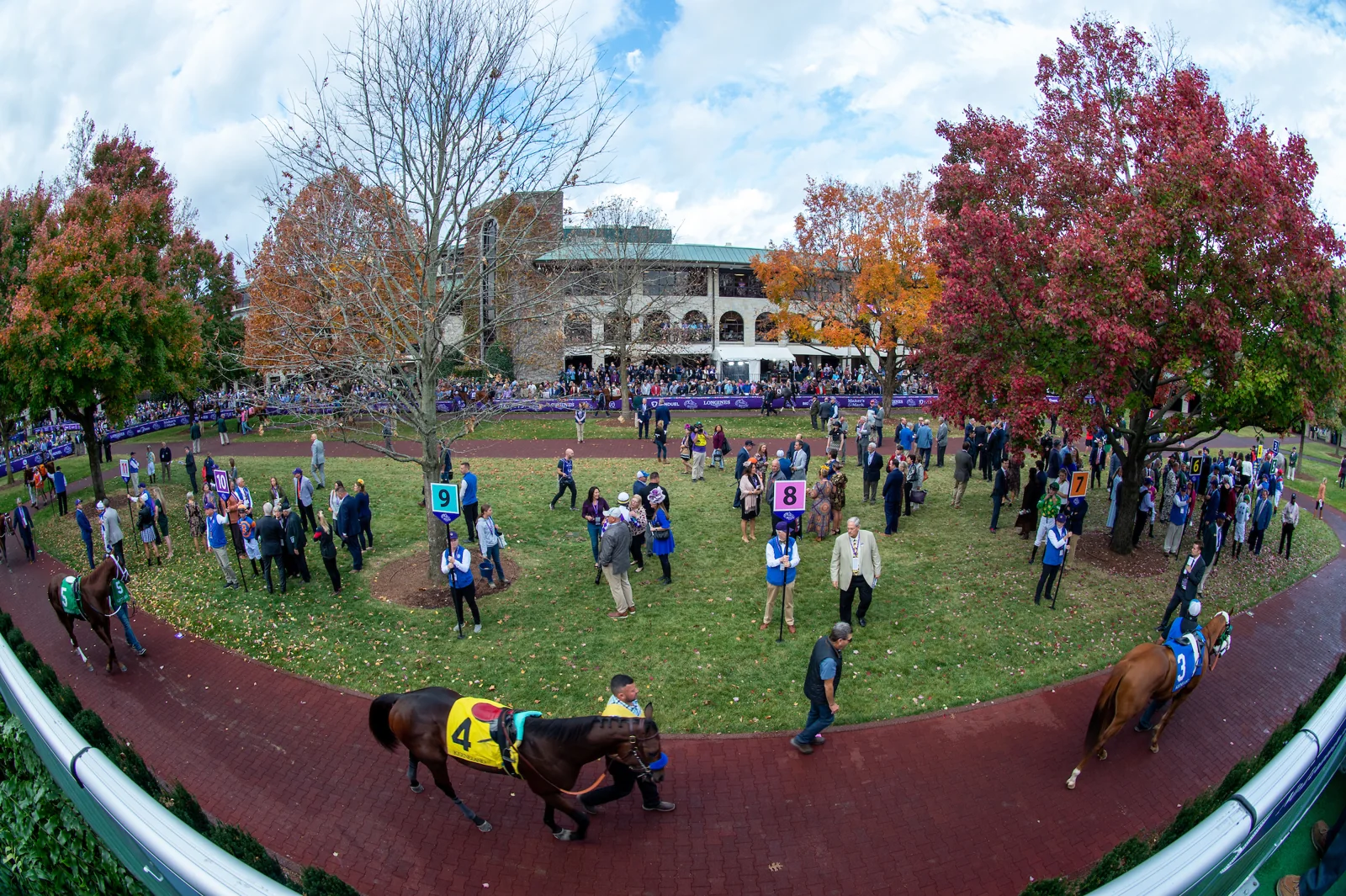
At home, keep your shortlist and the current card together. Before each selected race, confirm the track and race number shown on screen. A programme covering several venues can move elsewhere between contests, and a familiar commentator's voice does not identify the race for you. If you are watching at the course, allow time to move between the paddock, your viewing position and other facilities rather than expecting a television-style instant switch.
Stay with the result long enough to understand its status. Crossing the line first and being confirmed the official winner are different stages when an inquiry or objection is involved. NYRA's stewards' information explains how decisions can affect the official order of finish. The applicable officials and rules depend on the jurisdiction; avoid announcing a final outcome from the first television impression alone.
If you miss a race, look for a complete official replay and the corresponding result. NYRA's replay archive, for example, states that replays become available after results are official. Availability elsewhere should be checked with the relevant track or provider. A finishing-straight highlight may show the decisive move while omitting the start, early positioning or traffic that helps explain how the race developed.
Our race results pages provide a route back to the meeting and available official information. Keep your own notes modest: which horse you followed, what you observed and what remains unclear. If you only read a chart or a reporter's description, distinguish that account from something you watched yourself. A surprising result is a reason to investigate, not evidence that a jockey's decision or a horse's form has a single obvious explanation.
Build a few ordinary breaks into the weekend as well. Food, a walk and time away from two competing audio feeds make a long card easier to enjoy. Before changing sports, finish the racing question you set yourself: the selected race, its result and any follow-up you need. Then move to the football game or save the remaining racing for later. Your plan should support attention to the sport, rather than turn a good autumn weekend into a race against your own reminders.
Join the conversation
Have a question or a race-day tip to share? Keep it friendly and on topic. Comments appear after review.
No comments yet. Start the conversation.
Sign in with Google to leave a comment.