To find US horse racing tracks by state, begin with your region, then check the venue, racing discipline and live meeting. A famous course name or an open attraction does not guarantee horses are racing there on your travel date. These regional examples show how to follow a directory listing into a usable plan.
Start with the state, then identify the racing you want
A state is a useful first filter for US horse racing tracks, but it is only the beginning of the search. Decide whether you want an afternoon with mounted racehorses, a harness card with drivers in sulkies, or a particular breed’s meet. A famous racecourse, a small regional track and a fair meeting may offer very different days even when they appear under the same state heading.
The U.S. Trotting Association’s fan guide describes the harness driver seated behind the horse in a racebike, or sulky. That visual distinction matters when you are selecting an outing. If your interest began with the Kentucky Derby, a nearby harness venue introduces another branch of the sport; it is not a smaller version of the same card. Equally, someone following trotters should not assume every venue called a racetrack stages that kind of racing.
Use our state directory to begin with a place, and the track directory to find the individual venue. Then move from the name to its live calendar and race information. This guide uses selected examples to explain that process; the examples are not a census of every permanent track, fair or temporary race meeting in the country.
A racetrack address does not confirm a live race day
The building can be open without local horses competing. Del Mar’s season information, for example, lists simulcast wagering in Mission Tower separately from its live meets, with no grandstand access for that simulcast arrangement. Watching races from elsewhere on screens answers a different request from standing beside the course for a local race.
Treat a map pin, opening-hours label or restaurant reservation as evidence about that particular facility or service. To plan live viewing, look for an actual dated race day. This simple distinction prevents the most disappointing directory mistake: reaching the right address for an activity that is not happening there.
Kentucky and California: follow the meet, not just the landmark
Kentucky’s different racing venues
Kentucky’s racing identity does not make its venues interchangeable. Churchill Downs is in Louisville; Keeneland is in Lexington. The Red Mile is also in Lexington, but its local racing is harness racing. Start by identifying the venue and town rather than booking a hotel for “Kentucky races” and sorting out the details afterward.
Keeneland supplies a particularly clear example of a short meet. Its 2026 Fall Meet runs from October 2 through October 24, with no racing on Mondays or Tuesdays. Those exclusions are as important as the opening and closing dates. A Tuesday visit in the middle of the range is not an afternoon racecard simply because the seasonal headline says October.
At the Red Mile, separate the local harness program from its simulcast offerings, which can include Thoroughbred races from elsewhere. The choice changes what you see beside the track, whom you follow in the program and which calendar applies. For Churchill Downs, use its own live schedule rather than transplanting Keeneland’s weeks or assuming every day associated with the Kentucky Derby Museum includes local racing.
Southern California’s separate racecourses
Santa Anita in Arcadia and Del Mar in the San Diego area also require separate travel decisions. Their names belong under California in a directory, but they are individual racecourses with individual meets. A visitor based near one should compare its dates before treating the other as a convenient substitute.
Del Mar’s published 2026 season illustrates the gap between meetings: its summer dates were July 17 through September 7, followed by the Bing meet from November 6 through November 29. Those ranges are not a statement that Del Mar races continuously between July and November. Santa Anita has its own calendar, which must be checked for your intended day.
Use the Kentucky schedule or California schedule as the regional starting point. The next choice is the exact course and date. A state-level overview helps you compare options; it should never replace the last check of where the horses will actually be running.
New York and New Jersey: distinguish the track from the race name
Race names can survive a temporary move. The Belmont Stakes is the clearest recent New York example: NYRA’s 2026 event report confirms that the event was temporarily held at Saratoga during 2024–26. Finding the Belmont Stakes on a schedule therefore did not, by itself, identify Belmont Park as the place to travel that year.
That distinction becomes especially useful when you search a state directory after reading a headline. The race is the competition you want to see. The meet is the block of racing in which it sits. The course is the physical destination. Keep all three together when booking, and prefer the event’s current venue information over an old description of where it is traditionally held.
Thoroughbred and harness destinations are different
Saratoga also requires care with the full venue name. NYRA’s Saratoga Race Course and the harness track at Saratoga Casino Hotel are different racing destinations. The casino’s racing page identifies its own live harness program and its own calendar. A result headed Saratoga Harness belongs to that branch of racing, rather than automatically to the summer Thoroughbred course you may recognize from television.
New Jersey offers another useful naming example. Monmouth Park’s September 2026 announcement describes the Monmouth at Meadowlands all-turf meeting in East Rutherford. The Monmouth name in the meeting title does not make those races an outing to Monmouth Park’s Oceanport grounds. At a venue offering different kinds of racing in different periods, the date and card identify the experience more reliably than the building’s reputation.
For a practical search, save the full venue name rather than a shorthand such as Saratoga or Monmouth. Add the live date and discipline alongside it. That small habit makes directions, tickets, entries and results easier to match. It also helps when a friend sends you a screenshot: you can ask which course is staging the card before agreeing to meet at a familiar but incorrect entrance.

.jpg)
Texas, Louisiana and Oklahoma: check the breed on the card
In this part of the racing map, the breed named on the meeting is an especially useful filter. A track’s Thoroughbred reputation does not tell you which horses are competing in every season. Look for the specific meeting heading before opening a card or choosing a night to visit.
At Lone Star Park in Grand Prairie, Texas, the official racing information identifies the fall meeting as Quarter Horse racing. Its 2026 fall materials belong to that meeting, while Thoroughbred information is presented separately. A visitor who remembers a Thoroughbred race there should still check the breed on the current schedule rather than assuming the autumn program is the same.
Delta Downs in Vinton, Louisiana, provides another concrete example. Its racing page separates a 2026–27 Thoroughbred calendar from other racing resources and lists both Quarter Horse and Thoroughbred condition books. The year span matters: a meet can continue through the turn of the calendar year. Search the actual meeting rather than rejecting a winter date because its title begins with the previous year.
Remington Park in Oklahoma City has a 2026 Thoroughbred announcement that names August 21 as the season’s opening date. Again, the named season does more work than the bare address. It identifies the kind of program to seek, not a guarantee of racing on every subsequent date or a list of the final starters.
When reading the card, keep the distance and conditions in view as well as the venue. Do not carry assumptions from a televised Thoroughbred feature into an unfamiliar breed’s program. Use the opening race to learn the local rhythm: how the horses parade, where they start and how the race is announced. A directory becomes more rewarding when it helps you recognize the sport you are about to watch, rather than merely count familiar logos on a map.
Florida and the wider regional map
Florida is another state where a broad label hides a substantial choice of destination. Gulfstream Park’s official visitor information places it in Hallandale Beach, in South Florida. Tampa Bay Downs is in the Tampa Bay area, in a different part of the state. Begin with the area in which you will be staying, then look at the appropriate racing calendar instead of treating the two names as interchangeable Florida options.
Tampa Bay Downs’ official site separates its live racing season from offseason simulcasting, poker and golf. That separation is useful to a traveler: a venue with several attractions can remain a destination while its local racing is between meets. Check the live calendar for the racing request and the relevant service’s information for any other activity you want to add.
Look beyond a short list of famous tracks
National lists often lead with the same marquee venues. A shorter trip to a regional meeting can make more sense for your first visit than building an expensive holiday around a race whose name you already know. Look at what is available near your route and at the dates you can actually attend. The useful comparison is between feasible outings, rather than between reputations detached from your plans.
State racing commissions can help you verify the seasonal picture beyond familiar televised circuits. The Washington Horse Racing Commission, for instance, published the approved 2026 season for Emerald Downs in Auburn, Washington from May 2 to September 7. An approved seasonal range is a useful piece of evidence, but you still need the individual live dates and any later changes when planning a specific trip. A past season is not an announcement of racing today.
If a directory gives a total number of US tracks, ask what it is counting. Permanent venues, fair meetings, training grounds, closed historic courses and places showing simulcasts answer different questions. You do not need a disputed nationwide total to choose an afternoon. You need a currently identifiable course, the kind of racing you want and a confirmed live date that fits the journey.
Read a racing calendar before making travel plans
Once you have selected a venue, change the question from “Where is the track?” to “What is happening there on my date?” A regional directory is the beginning of that decision. The meeting calendar, individual race card and viewing schedule supply different pieces of the answer.
Meet dates, daily entries and changes answer different questions
A meet’s opening and closing dates describe a season. They do not turn every date between them into a live racing day. Find the individual calendar square for your visit and read any exclusions before comparing departure times. For a trip across a state line, write down the course’s local time zone as well as the date. A convenient-looking evening in your own time zone may mean a different arrival time at the venue.
The entries answer the next question: which races and runners have actually been announced? On October 11, 2026, Del Mar’s entries page displayed November 6 while saying that entries were not yet available. That is a useful distinction between a planned day and a published field. Do not fill the gap with last season’s horses or infer that an empty entry list cancels an advertised meeting.
Closer to the outing, check changes for the correct card. A page can still show the previous meeting’s last date: Del Mar’s changes page showed September 7 when inspected for this guide. Read the date before applying a scratch, jockey change or surface notice to your own trip. Save the planned day early; confirm the actual program when it is released.
A television listing is not an admission ticket
Broadcast schedules tell you when coverage is offered, rather than when spectators can enter a course. NYRA’s television schedule lists times and channels. Use that kind of listing for a viewing plan, then return to the venue’s own information for gates, tickets and the first race.
Suppose your main interest is one afternoon feature. Arriving for its advertised broadcast window could leave you missing earlier races you wanted to see. Conversely, buying a seat at a track showing remote racing does not put that remote feature on its local course. Compare the race schedule with the TV listings according to the experience you intend to have.
Turn a directory entry into a day at the races
Reduce a long state list to two realistic candidates before you start making reservations. For each, record the exact course name, town, discipline, meeting and proposed live date. Then add the practical constraint most likely to decide the outing: journey time, a suitable seat, an evening return or the availability of the kind of race you want to see. This gives the directory a purpose beyond collecting famous names.
For a first visit, choose how you want to spend the intervals between races. Someone who wants to explore can value freedom to move around more than a reserved view. Someone who needs a dependable place to sit should examine the seating description carefully. Keeneland’s current visitor guide, for example, distinguishes walk-around general admission without reserved seating from covered reserved grandstand seats. Neither label should be silently substituted for the other when comparing destinations.
Check arrival instructions for the actual meeting, too. Keeneland’s 2026 fall guidance describes a temporarily relocated shuttle depot and asks visitors to allow extra walking time. That is the sort of practical detail a permanent track address cannot convey. The route that worked for a previous trip may still get you to the property while leaving you at an unfamiliar entrance arrangement. Read the current instructions before deciding how tight a connection you can comfortably make.
A useful final note might read: “This course, this breed, this live date, this ticket, this arrival route.” If one part remains uncertain, resolve it through the venue rather than allowing a promising map result to settle the question for you. A directory can tell you where to look; the current calendar and ticket information determine whether that option works.
Use the state directory to narrow the region and the track pages to follow the venue into its meetings and races. Once the location, sport and date line up, you have moved from browsing a list to planning an outing you can understand and enjoy.
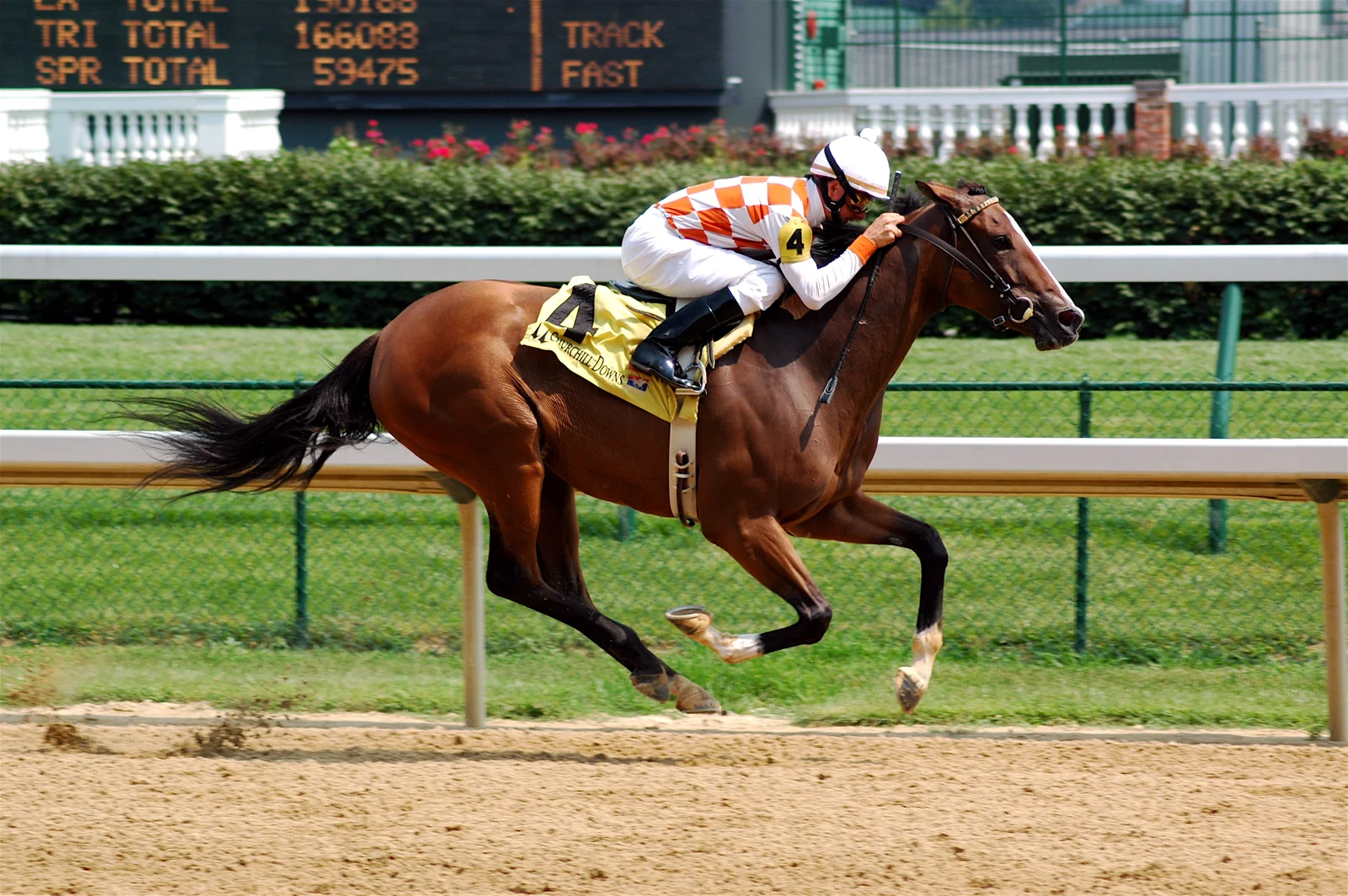
Cover: Churchill Downs racing, July 2006, Jeff Kubina, CC BY-SA 2.0; resized WebP derivative under the same license.

Join the conversation
Have a question or a race-day tip to share? Keep it friendly and on topic. Comments appear after review.
No comments yet. Start the conversation.
Sign in with Google to leave a comment.