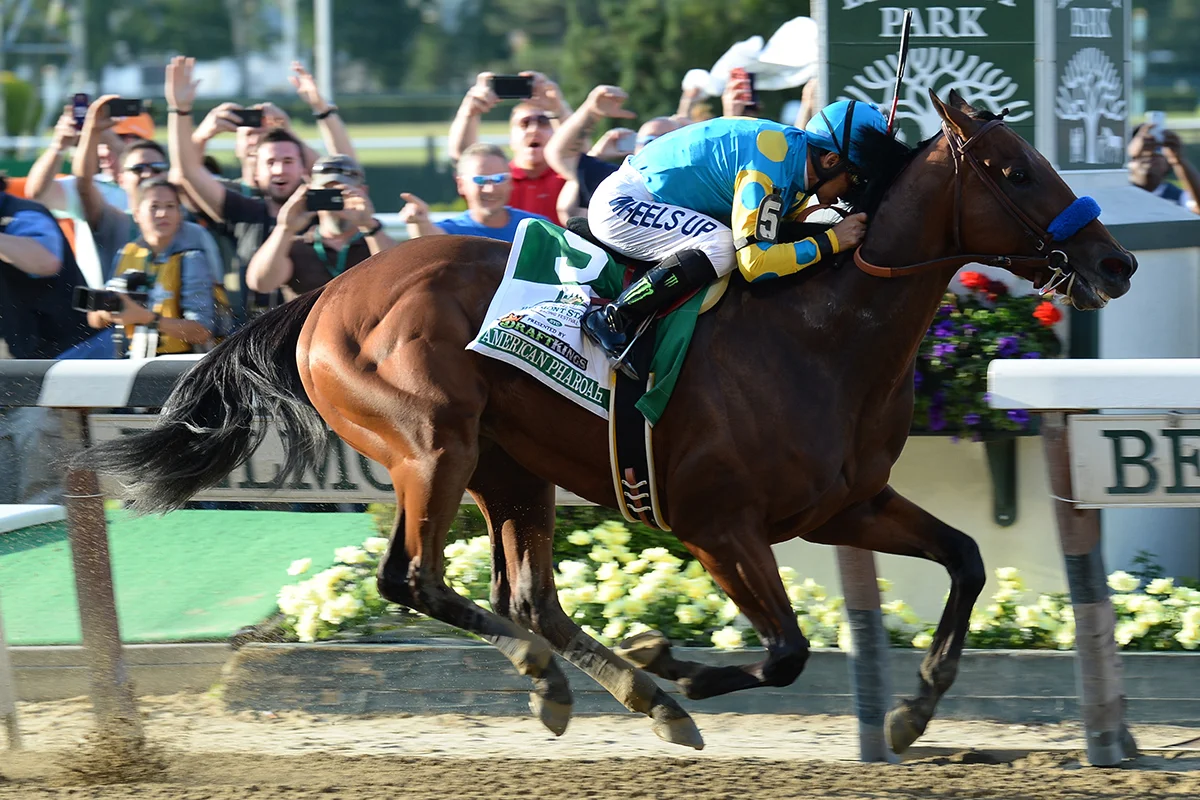
The three races and what winning the Triple Crown means
The three American Triple Crown races are the Kentucky Derby, Preakness Stakes and Belmont Stakes, in that order. A horse wins the Triple Crown by winning all three in the same year. These are races for three-year-old Thoroughbreds, so a contender has one age-eligible season in which to complete the sweep.
The achievement belongs to the same horse, rather than an owner collecting three trophies with different runners. Winning the Derby and Belmont while missing or losing the Preakness is an outstanding campaign, but it is not a Triple Crown. Nor can a horse combine victories from different seasons. The requirement ties the races together even though each has its own entries, result and identity.
This is the American Thoroughbred series. Other countries and racing disciplines use Triple Crown titles for different sets of races, so a bare reference to “the Triple Crown” needs its sporting context. Here, Kentucky, Maryland and New York supply the three legs. Changes to an edition's venue or calendar do not automatically change the name of the race or the fundamental requirement to win all three.
Do not confuse the three with every major event in an American season. The Kentucky Oaks and Breeders' Cup Classic are significant races with their own conditions, but neither substitutes for a missing Triple Crown win. Our major horse races calendar places the spring classics within that wider sporting year.
There is another distinction to keep clear for 2027. NYRA and Churchill Downs have announced a separate Thoroughbred Championship Series, a proposed six-race season-long competition. Its format and title should not be substituted for the established three-race Triple Crown. A points championship can reward a season of results, while the Triple Crown asks a narrower, uncompromising question: did this horse win each of these three races?
That simple definition is the best starting point for following the story. The interesting complexity comes afterward: different opposition, race conditions and preparation choices can change the challenge between legs. The published date and conditions for the actual edition matter more than a remembered traditional calendar, particularly in the transition from 2026 to 2027.
How the Derby, Preakness and Belmont test different abilities
The races are related by the title a horse can earn, but they are separate contests. Distance is an obvious difference; pace, position, opposition and the actual venue also shape what a contender must do. A useful comparison therefore starts with the published conditions and then asks how the race might unfold, rather than assuming the first winner has solved the entire series.
Kentucky Derby: position and the ten-furlong challenge
The Derby at Churchill Downs is run over 1¼ miles, or ten furlongs. Its prominent qualifying campaign and typically large field make position an important part of watching it. A horse can lose ground around rivals, be forced to wait for an opening or expend energy establishing a forward place. Those are possible race scenarios, not a claim that every Derby is run the same way.
Watch the early pace as well as the winner's final move. A horse making late ground after a strongly contested lead has faced a different shape from one controlling the pace comfortably. The result records who won; the replay helps explain the trip. When that horse goes forward to another leg, ask which parts of the Derby performance are likely to remain relevant.
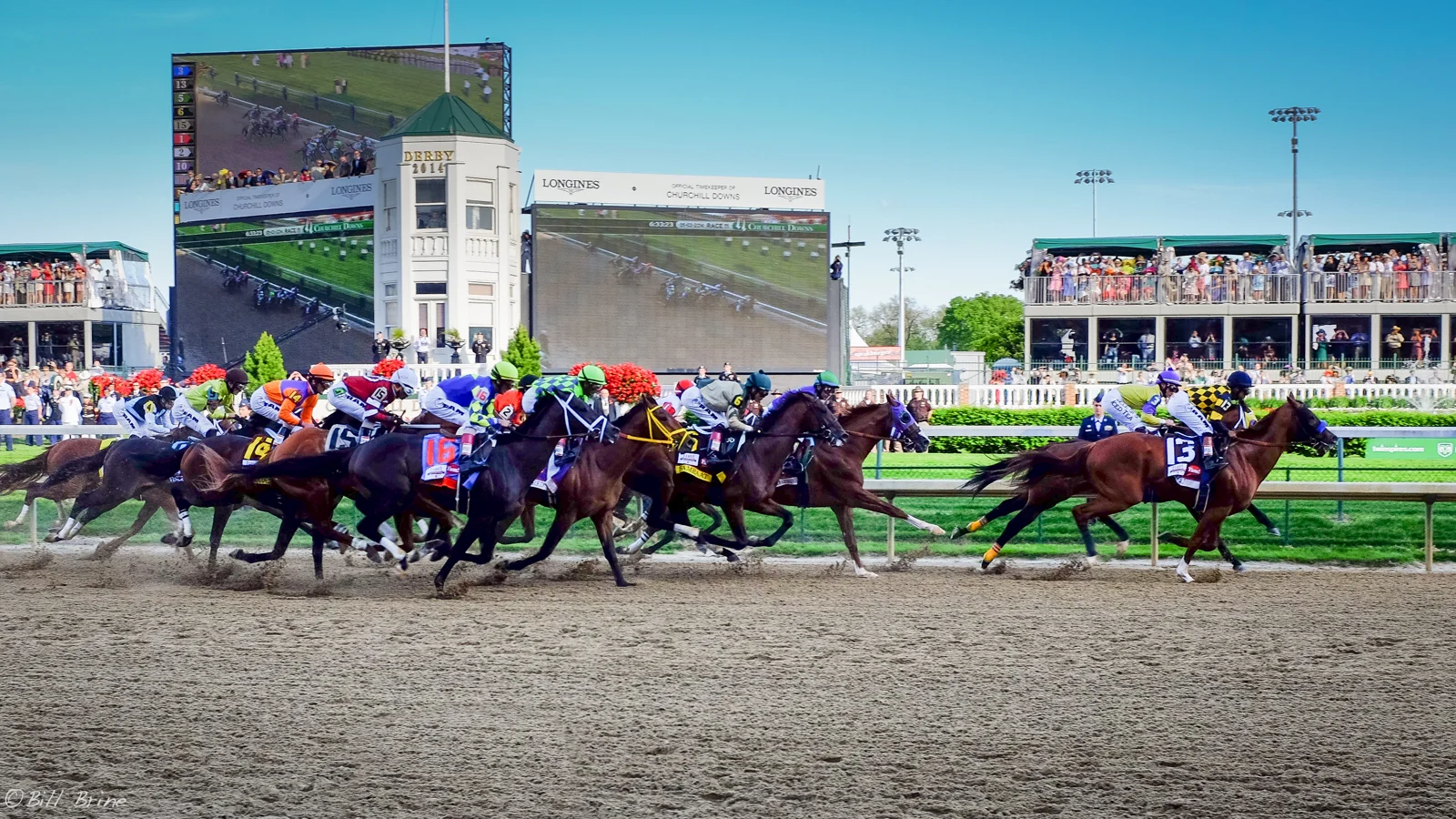

Preakness Stakes: a new race against a changing field
The Preakness distance is 1 3/16 miles, or nine and a half furlongs. That is one-sixteenth of a mile shorter than the Derby. It does not make the middle leg a straightforward replay with less ground to cover. Some Derby runners may return, some may miss it, and other entrants can bring a different preparation and running style.
The field therefore needs to be read again. A Derby winner that settled behind several pace setters might face a different early speed arrangement next time. A rival that experienced traffic might find a clearer passage. These are reasons to assess the new contest rather than carry the finishing order forward mechanically. The horses race for the Preakness result; only one of them may also be trying to preserve a sweep.
Belmont Stakes: read the distance for the actual edition
The Belmont's traditional distance is 1½ miles, or twelve furlongs, but that description needs an edition label. NYRA's 2026 festival announcement specifies 1¼ miles at Saratoga because of the course configuration. Calling that edition a twelve-furlong race would be wrong, even though it retained its place in the Triple Crown.
Over a longer race, distribution of effort becomes especially interesting to follow, but stamina cannot be judged from distance alone. Pace and the horse's own experience still matter. Check the current conditions before interpreting a pedigree, a previous result or a historical comparison. The name Belmont Stakes connects the tradition; the actual conditions tell you what today's runners must attempt.
Read the 2027 dates without carrying forward old assumptions
The next announced editions, checked on October 21, 2026, follow the familiar Derby–Preakness–Belmont order. The Preakness date is a significant change: the official announcement places it on Sunday, May 23, 2027. Do not calculate it from the old rule of the third Saturday in May or assume it comes exactly two weeks after the Derby.
| Order | Race | Announced 2027 date | Announced venue |
|---|---|---|---|
| 1 | Kentucky Derby | Saturday, May 1 | Churchill Downs, Kentucky |
| 2 | Preakness Stakes | Sunday, May 23 | Pimlico Race Course, Maryland |
| 3 | Belmont Stakes | Saturday, June 5 | Belmont Park, New York |
These dates come from the official Derby information, the Maryland Jockey Club's dated Preakness announcement and NYRA's Belmont Stakes page. They are event dates, not post times. Confirm later announcements for individual race starts and viewing windows instead of borrowing those details from the preceding edition.
What changed after the 2026 editions
The 2026 Preakness was held at Laurel Park during the Pimlico redevelopment. The 2026 Belmont Stakes was held at Saratoga, with its adjusted ten-furlong distance. Those temporary arrangements explain why recent photographs, archived visitor guides and old tickets can name different venues from the 2027 announcements. Read the year in the document, rather than deciding a source must be wrong simply because its location differs.
The new Preakness placement also changes the spacing within the series. The announced 2027 dates leave 22 days between the Derby and Preakness, then 13 between Preakness and Belmont. That is calendar arithmetic from the published dates, not the old two-week/three-week description found in many explainers. The altered distribution matters when discussing preparation, although it does not establish how any particular stable will campaign its horse.
For travel, start with the correct year's venue before selecting accommodation or transport. For television, start with the correct event date before checking channel windows. For form analysis, read the actual conditions before comparing a performance with a traditional-distance running. A venue announcement, an entry list and a confirmed post time answer different questions; none should be silently supplied from memory when the official detail is still to come.
Why winning all three is harder than winning one
The central difficulty is repetition against changing circumstances. A horse has to produce a winning performance on three separate occasions, while rivals and race shapes can change. A brilliant first leg earns a real trophy, but it supplies no allowance for trouble or defeat later. The series does not average three finishing positions or award the Crown to the horse with the most convincing single performance.
Preparation is part of that challenge. Connections decide whether the next race fits their horse's campaign, and the decision is not identical for every entrant. A runner appearing only in a later leg may arrive from a different route, while a sweep candidate has to continue through all three. That difference creates an important viewing question: which horses are returning from the previous leg, and which are entering this particular contest with another preparation?
The 2027 Preakness announcement connects its timing change with encouraging participation. That is the organizer's stated intention; it should not be turned into a guarantee that a particular Derby winner will run, that every horse benefits equally or that the final leg becomes easier. The new dates redistribute the intervals within the series. The actual entrants and their connections' plans still need to be confirmed as each race approaches.
Tactically, the sweep candidate cannot count on repeating the same trip. A comfortable early position can become a contested one. A strong early pace that helped a closer can become a slower contest requiring a different decision. A horse that found room at the right moment can encounter traffic next time. These possibilities help explain the challenge without attributing a defeat to a single convenient cause before reviewing the evidence.
This also explains why a defeat need not erase the quality of an earlier win. Winning a major classic is an achievement in its own right. A horse can have an excellent season without sweeping the Triple Crown, just as a Triple Crown winner still has a career beyond those three results. Keep the specific accomplishment separate from a broader argument about historical greatness.
When assessing a potential sweep, use three questions: what did the horse actually show, what changes in the next race, and what remains unknown? The first is answered by records and replays, the second by current entries and conditions, and the third deserves honest restraint. That framework makes the developing story more interesting than simply declaring the Derby winner unstoppable or dismissing it after a difficult trip.
Champions show the difference between a sweep and a great campaign
As checked on October 21, 2026, the official Triple Crown honor roll contains thirteen horses, with Justify's 2018 sweep the latest listed. The list describes a specific achievement. It should not be read as an exhaustive list of every exceptional American racehorse or as a ranking of all winners against one another.
Secretariat's 1973 benchmark
Secretariat supplies a clear example of the series ending with an extraordinary individual race. NYRA's historical profile records his 1973 Belmont Stakes victory by 31 lengths in 2:24 over 1½ miles. That performance completed the sweep after his Derby and Preakness victories. The distance, time and winning margin describe that running, rather than a universal measurement applicable to every Belmont edition.
When watching the replay, appreciate both accomplishments: winning the three-race title and producing that specific final performance. The enormous margin makes the story visually memorable, but it is the victories in all three races that establish the Triple Crown. Comparing his final time directly with a ten-furlong Saratoga running would ignore the most basic difference in the task.
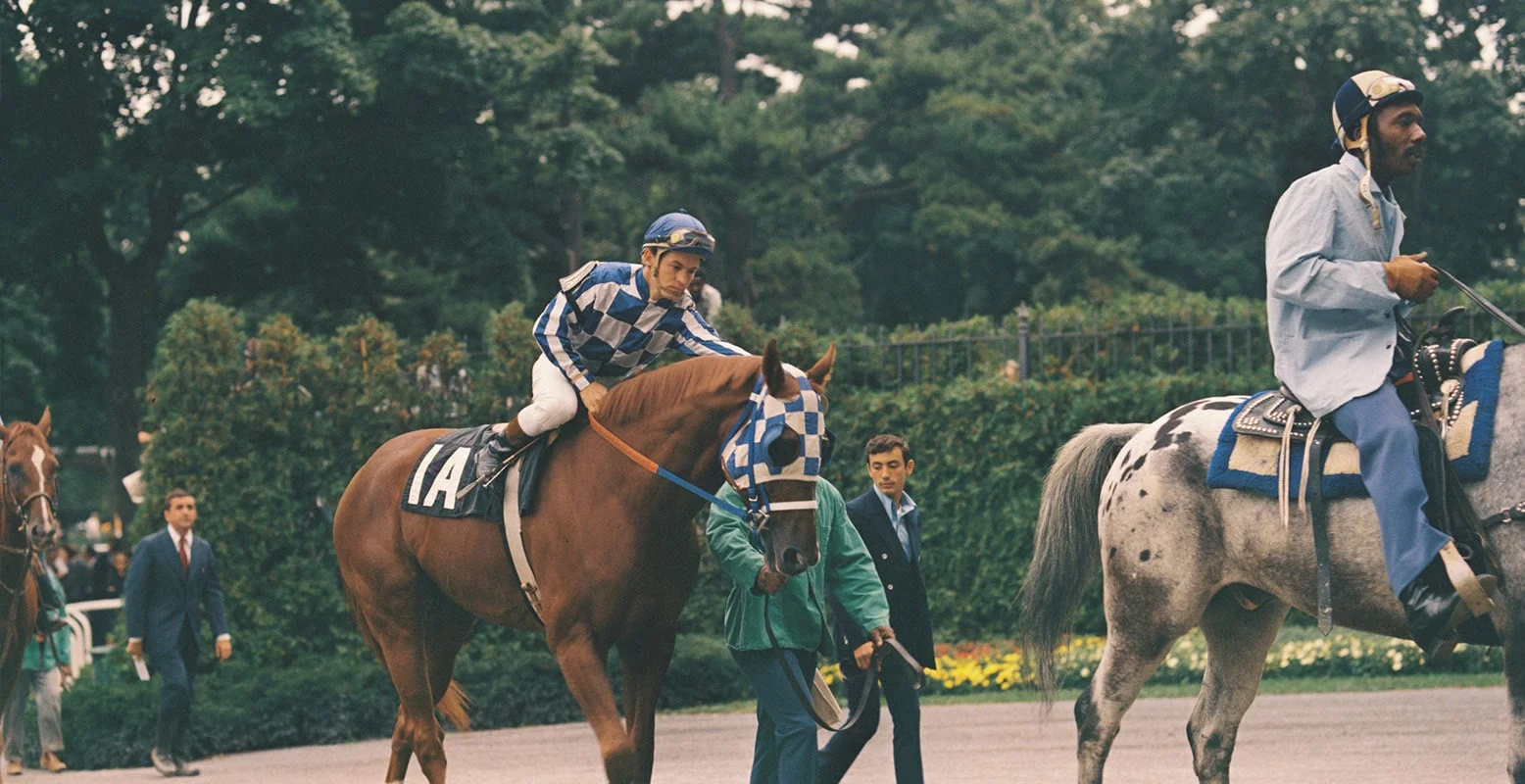
American Pharoah and the separate Grand Slam
American Pharoah completed the Triple Crown in 2015, ending the 37-year wait after Affirmed's 1978 sweep. His season then continued to another major achievement: victory in the Breeders' Cup Classic at Keeneland. The Breeders' Cup's own retrospective explains the “Grand Slam” description associated with adding the Classic to his spring sweep.
The distinction is useful whenever a new fan hears four race names in the same conversation. American Pharoah had already won the Triple Crown before the Classic. The later win extended his campaign; it did not complete a missing fourth requirement. Equally, a horse that wins the Derby and Classic without sweeping the other two classics has achieved a different combination.
These examples help keep the vocabulary precise. A classic winner, a Triple Crown winner and a horse celebrated for a whole season can all deserve serious attention. Describe the actual races won before attaching a larger label. It makes historical comparisons fairer and leaves room to appreciate excellent horses whose campaigns followed a different route.
Follow each leg from entries to the official result
Begin with the actual entries for each race. A contender profile, a trainer's stated intention and an accepted entry are different stages in the story. Check the final runners and any scratches rather than assuming that every horse mentioned after the Derby will appear in the Preakness. The same habit applies before the Belmont, whether or not a sweep remains possible.
Make a short comparison for the leading runners: where they raced last, what trip they received, the conditions of the next race and how the opposition changes. Separate what you observed from what you expect. “Finished strongly after waiting for room” describes a replay; “will win with a clear run” adds a prediction that the replay alone cannot establish.
After the finish, use the official result and chart to confirm the order, margins and any relevant changes. Our horse racing results page helps locate available race details. A striking television impression is worth revisiting, but it should not replace the confirmed result when recording whether a horse has kept its Triple Crown chance alive.
Plan television coverage for each race separately
Do not assume that one channel or subscription covers the entire series. The Preakness organizer's 2027 announcement identifies NBC and Peacock in its extended media arrangement. NYRA publishes separate Belmont coverage information, including the channels used for different festival windows. The appropriate route is the current announcement for that event, followed by your provider's actual access conditions.
Use our horse racing television schedule to plan the session, then verify the individual race's post time. A program can start well before the feature, move between networks or include several tracks. If you want the undercard and the main race, read all the relevant windows instead of saving only the channel displayed at the start of the afternoon.
Keep the date, time zone, venue and year together in your viewing note. This is especially important when an official page has already changed its banner to the next edition while retaining an archived television table below. An event date confirmed for 2027 does not turn a 2026 broadcast schedule into a new one. Wait for the appropriate program announcement before assigning an exact start time.
Finally, keep watching even if the sweep ends. A Preakness or Belmont without a live Triple Crown bid remains an important race with its own sporting questions. Following the individual runners beyond the three spring classics reveals how their form develops and how new rivalries emerge. The Crown gives the series a memorable central challenge; the horses and their separate races give the season its depth.
Join the conversation
Have a question or a race-day tip to share? Keep it friendly and on topic. Comments appear after review.
No comments yet. Start the conversation.
Sign in with Google to leave a comment.