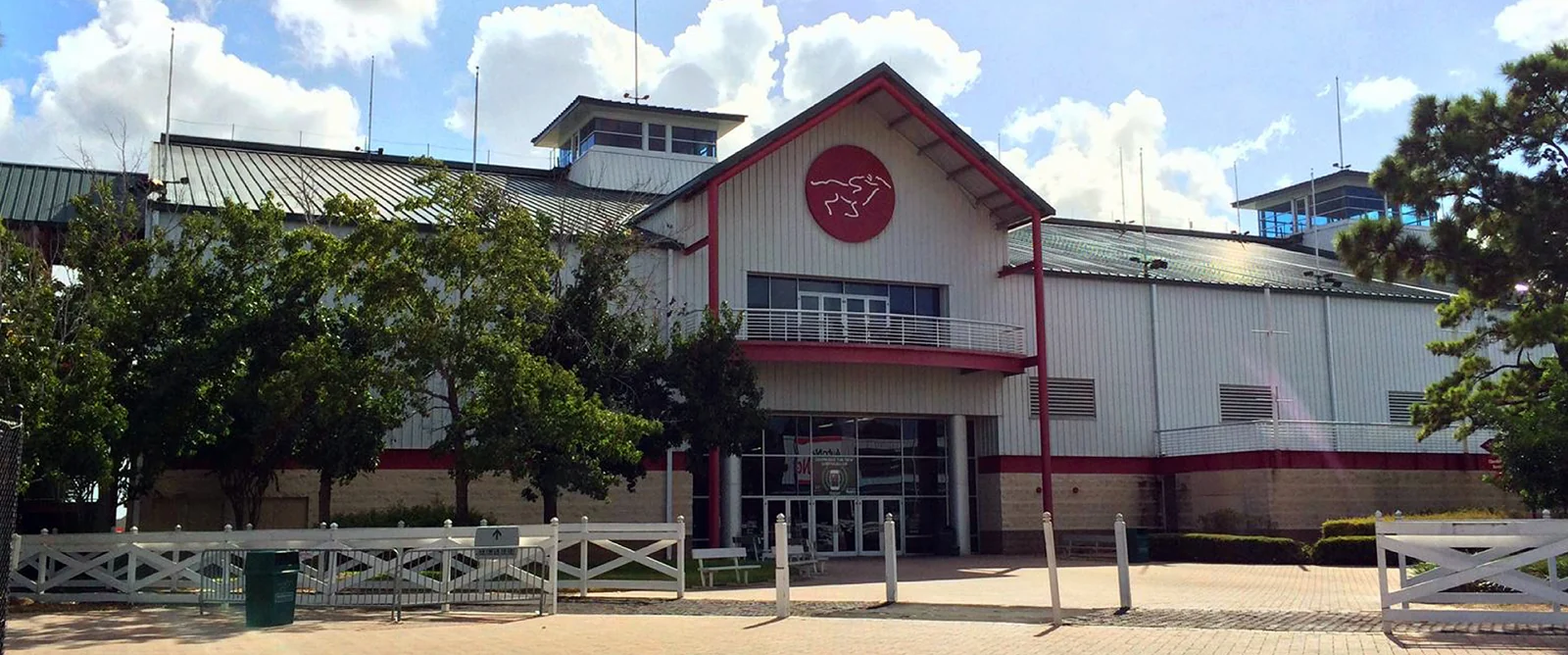
For horse racing in Texas, choose a confirmed live-racing date before choosing your seat. Lone Star Park serves a Dallas-Fort Worth outing, Sam Houston Race Park a Houston visit, and other Texas venues have their own seasonal calendars. This guide explains how to read those dates and turn them into a useful day at the races, with practical details checked against official information on October 11, 2026.
Choose a track that actually has live racing on your date
The most useful first question is not which Texas track is closest. It is which track has horses racing there on the day you can go. A venue may open for simulcast racing, dining or another event while its own starting gate remains unused. Simulcast means watching races transmitted from other tracks; it can be an enjoyable afternoon, but it is a different outing from seeing runners in the paddock and hearing them pass the grandstand.
Dallas-Fort Worth and Houston are different racing trips
For a Dallas-Fort Worth visit, start with Lone Star Park in Grand Prairie, at 1000 Lone Star Parkway. Its website separates live racing from the year-round Bar & Book. For Houston, the destination is Sam Houston Race Park at 7575 North Sam Houston Parkway West. The Houston track's contact page labels its regular opening timetable as simulcast hours. That label matters more than a search result simply saying that the park is open.
Pick one city as the base for your day and build the journey around that venue. These are separate metropolitan trips, not interchangeable stops on an afternoon itinerary. Check the address before arranging a ride, and give your companions the track name rather than just asking for a Houston or Dallas racecourse. A ticket, a restaurant reservation and a live-racing date should all point to the same place.
Retama Park and Gillespie County offer other destinations
Retama Park is another option in the San Antonio area, while the Gillespie County Fairgrounds bring racing to Fredericksburg. Their calendars deserve their own checks. As reviewed on October 11, 2026, Retama's live-racing page says its 2027 calendar is coming soon; its 2026 summer meet has already concluded. An open simulcast facility does not extend that meet.
The Gillespie County association lists racing alongside fairs, festivals and other activities. Its office opening hours are not a horse-racing timetable. Choose the specific racing event, then decide whether to combine it with a wider Fredericksburg visit. Our Texas racing page helps orient the search; the venue's dated event listing is the final place to check your visit.
Read the Texas racing calendar before booking
A racing season is a window containing selected race days, not a guarantee that a track runs every day within that window. Start with the year and the breed or racing type, then choose an actual marked date. Only after that should you buy a seat or make travel plans. This avoids the common mistake of arriving during a meet on an evening without a live card.
Thoroughbred and Quarter Horse seasons are separate
The Texas Racing Commission's 2026 calendar places Lone Star Park's Thoroughbred season between April 16 and July 12, and its Quarter Horse season between September 11 and November 21. Read the marked racing dates within those periods. A return visit in autumn can therefore involve a different type of racing from a spring visit to the same grandstand.
Houston illustrates another trap: a season bearing the next year's name may begin before New Year's Day. Sam Houston's announced 2027 racing calendar begins with Thoroughbred racing on December 18, 2026. Its calendar then distinguishes the later Quarter Horse dates. Check the year printed on the month as well as the large season heading. An old article describing Houston's early-2026 opening cannot answer a question about its next opening.
The practical benefit of recognizing the racing type is knowing what you came to watch. Do not describe every Texas event as the same long-distance Thoroughbred contest. Read the individual race's distance and conditions in the program; the season label tells you where to start, while the card tells you what each race asks of its runners.
Gate opening, first post and simulcast hours mean different things
Gate opening tells you when you may enter; first post is the scheduled start of the opening race. For a dated example, Lone Star's July 10, 2026 event listed gates at 5 p.m. and the first live race at 6:35 p.m. That was an arrival window, not two competing race times. It also does not establish the first post for another date.
Special days can change the usual pattern. Houston's upcoming calendar lists a 1 p.m. first post for December 27 rather than applying its evening time to that date. Treat times as local Central Time and read the date-specific exception. Leave time for parking, finding your seat and seeing the opening field; planning to reach the entrance at first post means missing much of the preparation that makes live racing interesting.
Plan a comfortable visit to Lone Star Park
Decide whether your group wants to move around and watch the horses closely, settle into an indoor seat, or make dinner the center of the outing. Those choices lead to different bookings. General admission, a reserved place and a dining reservation are not descriptions of the same experience. Before paying, read what the selected ticket includes and whether it applies to the live card or a simulcast gathering.
Start at the official ticket page, rather than buying from an undated price quoted in an old guide. The event should show the date you chose from the racing calendar. Keep the confirmation accessible, agree on a meeting place with your group and allow time to ask staff where your admission or reservation takes you. Those small preparations are more useful than arriving hurriedly with a premium ticket you do not know how to use.
Choose your view of the horses and the finish
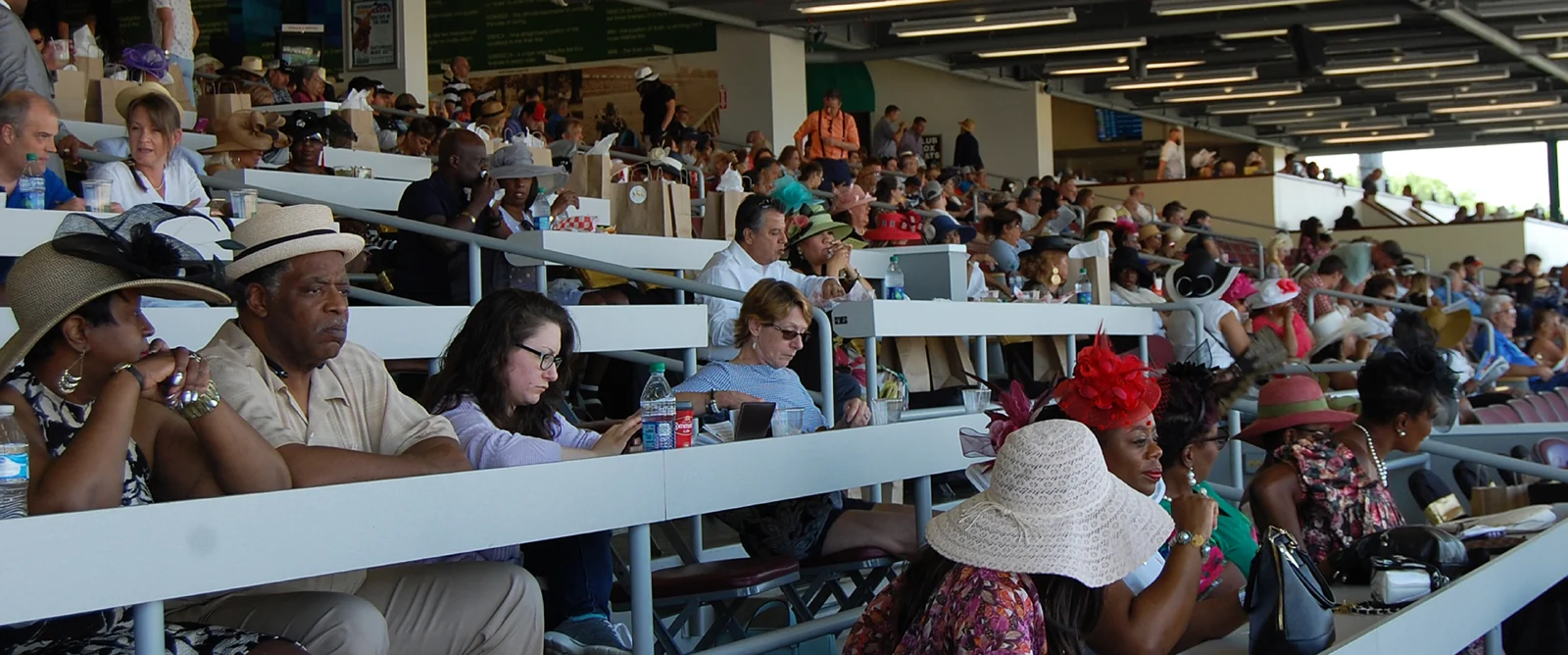
Lone Star's dining and seating information describes Silks as a glass-enclosed dining room on the fourth level. It also explicitly says second-level indoor reserved seating is not available during the Quarter Horse season. Do not plan an autumn visit around a spring seating description. Check which option is being sold for your actual date and whether the table or seat offers the view your group expects.
A higher position can make the overall race shape easier to follow; being nearer the horses makes their size, movement and preparation more immediate. Neither view supplies everything. For a first visit, leave room to watch a field in the public paddock area as well as a race from your chosen viewing position. Match a horse to its program number before it leaves for the track. That gives you a runner to follow even if you have no betting ticket.
Dining also affects what to wear and how freely you can move. The venue's guest guidance specifies smart casual attire for Silks and the suite levels, including collared shirts for men. Ask about accessible seating and the route to your booked area if someone in your party needs it; wheelchair accessibility does not tell you which specific seats remain available. Pick the experience your companions can comfortably enjoy for several races, rather than the grandest-sounding option on the page.
Prepare for a day at Sam Houston Race Park
Houston's practical arrangements should be checked independently of Lone Star's. A visitor who assumes both tracks use the same ticket packages, bag rules or payment methods can create unnecessary trouble at the entrance. Choose the actual live-racing date first, then use Sam Houston's own ticket and fan information for the rest of the preparation.
Match your ticket to the outing you want
The official admission page, reviewed in October 2026, lists $5 general admission for live racing and describes several seating areas available on a first-come basis. That can suit visitors who want flexibility rather than a fixed table. It does not mean that every premium viewing position comes with admission, or that a particular unreserved seat will be waiting for you.
The separate reserved seating page lists counter seats at an additional $5 per person. Using those published figures, two adults choosing admission and counter seats would budget $20 in total: two admission charges plus two seat charges. That is an illustration of the difference between entry and a seating supplement, before food or other spending; confirm the selected event's actual price when booking.
For a group, think about whether everyone wants a fixed base and whether you plan to eat during the card. For an accessible visit, ask the venue about the specific seating and entrance arrangement before purchase. A clear answer to those questions is more valuable than buying a package solely because its name includes the finish line.
Check payment and guest rules before leaving home
Sam Houston's fan guide says that from January 1, 2026, non-wagering purchases use cashless payment, including admission, programs, food and merchandise. Wagering remains cash only. Bring an appropriate card or approved digital payment for the outing; if you intend to wager, budget cash separately. The ability to buy lunch with a card does not mean that card can fund a betting ticket.
Pack for Houston's clear-bag policy, which lists clear bags no larger than 12 by 6 by 12 inches and small clutches no larger than 5 by 7 inches. It also prohibits outside food and drink. Medical bags are addressed separately with inspection and approval. Read the rules for your needs before setting off; a cooler or bag accepted at another Texas venue does not establish permission here.
Follow the races without making the day depend on betting
Give yourself a sporting question to answer in each race. Which runner breaks cleanly? Does the early leader keep its advantage? Does your chosen horse find room when the field tightens? You can enjoy that sequence without risking money. A race becomes much easier to follow when you track one or two horses deliberately rather than trying to recognize the entire field at once.
Use the program to connect the horse, jockey and trainer, then read the distance and surface for the race itself. Retama's Racing 101 guide explains those program ingredients. First identify the correct race, then choose the runner you intend to watch. Note its number and recognizable silks before it heads toward the start. Your observation is a way to learn the sport, not evidence that an attractive horse must win.
After the finish, compare what you saw with the official result and, where available, the replay. A horse can finish well after losing ground early; another can look prominent before weakening. Describe the visible sequence before deciding what it means. The results tool can help you locate the race, while the venue's official result and replay provide the next step for a closer review. Do not invent an incident simply because a selection lost.
If you choose to wager, keep that spending separate from admission, food and the trip home. Both Lone Star's and Sam Houston's published guest policies require bettors to be at least 21; family admission is a separate matter. Ask staff if you do not understand the ticket you are about to buy. Houston's educational guide identifies the track, race, stake, bet type and horse number as the essentials. Check them immediately, and keep the ticket until the result is official.
There is no requirement to bet every race to justify attending. A good first outing can leave you with a clearer understanding of a runner's preparation, the race's shape and why the finish unfolded as it did. That knowledge lasts longer than judging the entire visit by one ticket.
Build an itinerary around the card, the weather and the journey home
A useful race-day plan has an arrival window and a departure decision, not just a first-post time. Allow time before racing to find your viewing area and see the opening field. Then decide whether your group wants to stay through the entire card or prioritize a few races. If you have children, a dinner booking or a long drive afterward, make that choice together before the afternoon or evening begins.
Do not treat a wet forecast as an automatic cancellation. Lone Star's weather guidance says lightning causes delays and heavy rain may do so. It also describes conditional ticket exchanges rather than promising a cash refund whenever weather disrupts racing. Read the terms of your own ticket and follow announcements from the venue. An indoor seat may make a delay more comfortable, but it does not guarantee that the horses will continue racing.
Parking deserves the same event-specific approach. Sam Houston lists free general parking for live-racing and simulcast days, while directing visitors to individual event listings for other parking fees. Budget and navigate for the event you bought, rather than assuming a concert, special attraction and routine race day all work identically. Agree where your driver or ride will collect the group; remember that leaving late in an evening card changes the rest of your travel plans.
Keep your final check close to race day
Before leaving home, confirm four things: the date still has live racing, the first post for that date, the ticket or reservation you hold, and any current guest notice affecting entry. Then check the forecast and your route. Use the weekend schedule to organize possible visits and the venue's own announcement for the final decision.
For repeat visits, start that process again rather than copying last year's weekend. A season can change, a premium area may open only for certain meets, and a special day can move the first post. Your aim is a straightforward outing: the right track, real racing on the chosen date, a view you enjoy and enough time to follow the horses. Once those details are settled, the program and the runners can take over.
Join the conversation
Have a question or a race-day tip to share? Keep it friendly and on topic. Comments appear after review.
No comments yet. Start the conversation.
Sign in with Google to leave a comment.